#Reviewing Base Nation: Does Overseas Basing Make Sense for Today’s Military?

#Reviewing Base Nation: Does Overseas Basing Make Sense for Today’s Military?

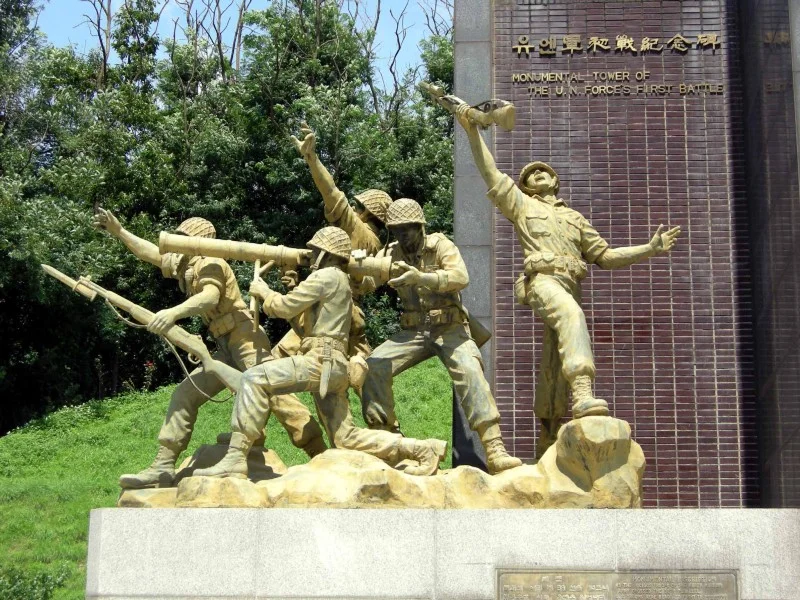
The national security strategy of the United States since World War II has included overseas basing as a strategic deterrence, first to counter the rising Iron Curtain of the Soviet Union and People’s Republic of China and more recently in the Middle East. There were valid arguments for maintaining military bases in Europe and Asia after the Second World War. However, in the 21st Century should the U.S. invest billions to maintain hundreds of overseas bases that endure because of 19th and 20th Century threats?
In Search of Strategy. In Search of Ourselves.

In Search of Strategy. In Search of Ourselves.

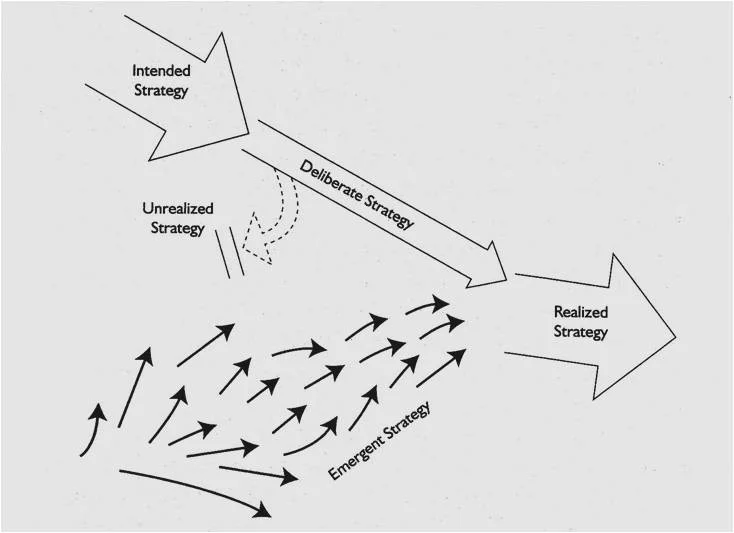
Good strategy explains why we do what we do. It ties together a nation’s political objectives with the resources at hand; it gives purpose to the tactical actor. Bad strategy muddles these things into a slurry that lacks sufficient consistency to be of use to anyone. The pieces can’t be seen for the whole. Adding more ingredients and blending more doesn’t make it better, neither does renaming it.

National Security, Pragmatism, and Human Rights

National Security, Pragmatism, and Human Rights

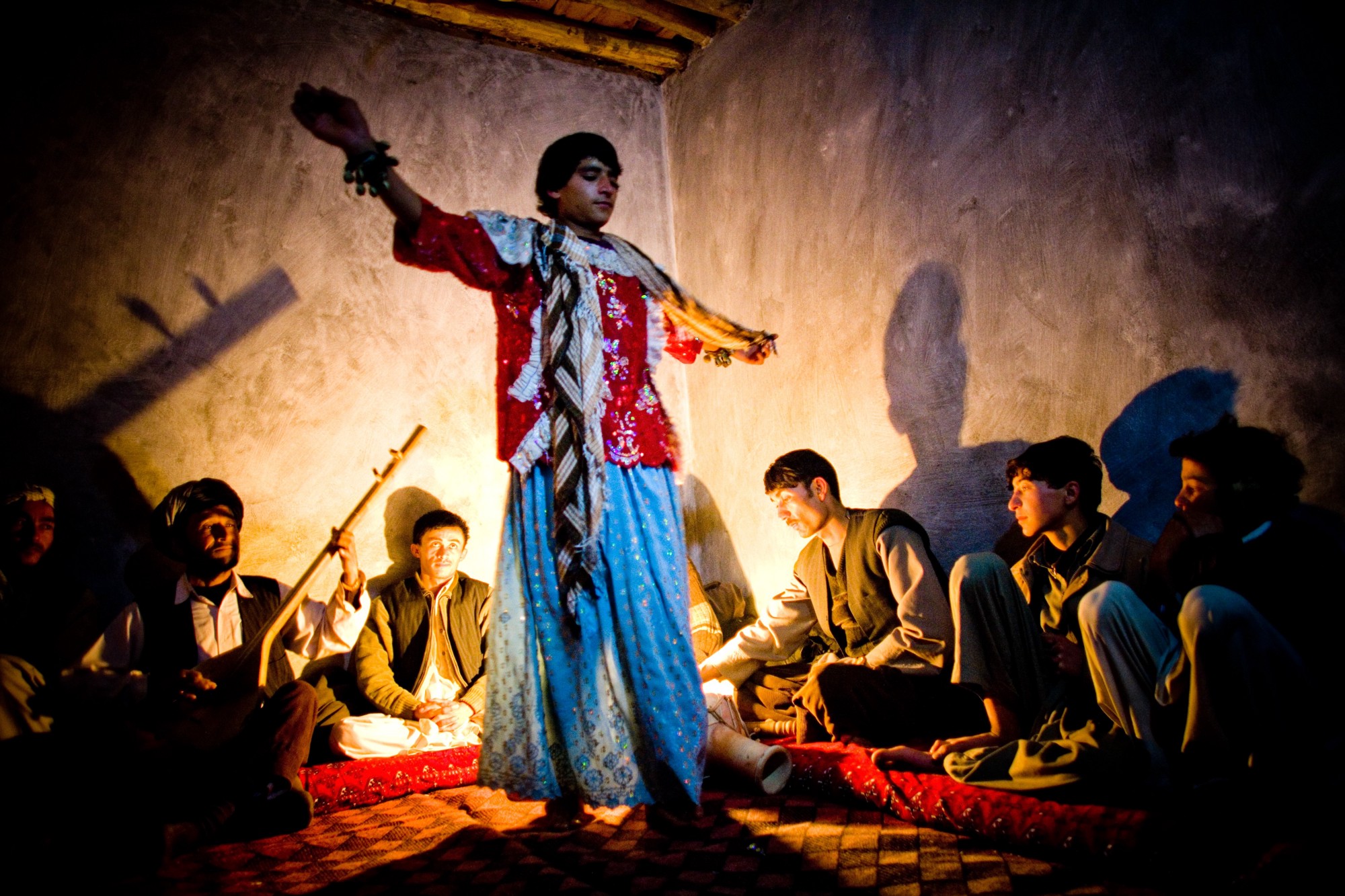
A variety of media sources have reported a practice in Afghanistan called bacha bazi. Bacha bazi consists of taking young boys from their families and forcing them to entertain men, a process that often includes their molestation. Some...claim that the kidnapping and rape of Afghan boys by the United States’ Afghan allies is insignificant compared to the accomplishment of national security goals, implying that stopping bacha bazi will interfere with the accomplishment of our mission. But failing to prevent our allies from recreationally kidnapping and raping Afghan boys will hinder the United States’ efforts in Afghanistan.

Ponder Anew: Brigadier John Graham & The Dhofar War 1970–1972

Ponder Anew: Brigadier John Graham & The Dhofar War 1970–1972

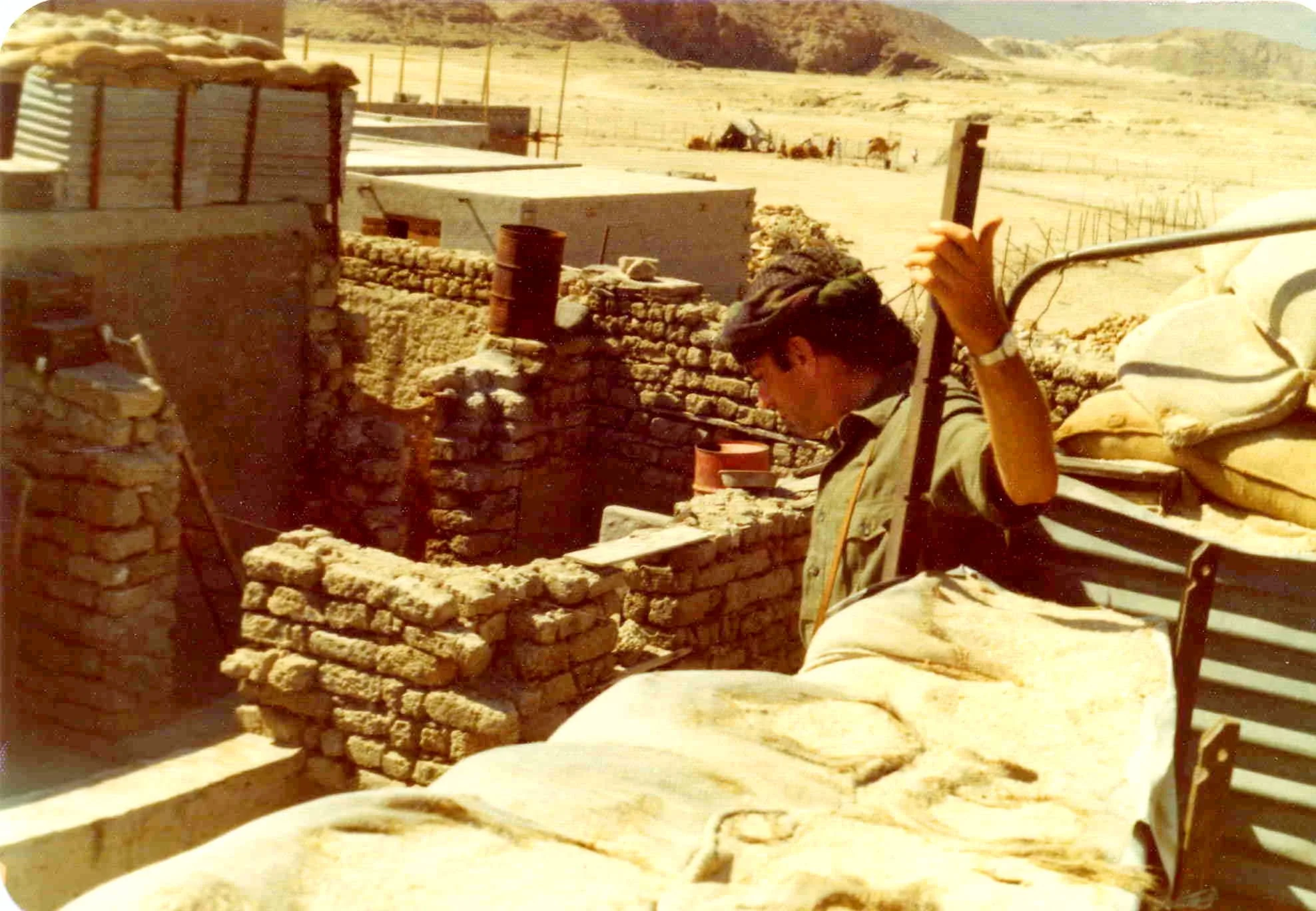
Major General John David Carew Graham CB, CBE, CStJ, Order of Oman, was born on 18 January 1923 and died on 14 December 2012 at his home on the island of Barbados. An impressive memorial service was held at St James’s Church Piccadilly on 7 March 2013, attended by hundreds of friends from both his first regiment, the Argyll and Sutherland Highlanders and also The Parachute Regiment. This account is not an obituary, rather a study into his time in command of the Sultan’s Armed Forces (CSAF) in Oman from 1970 to 1972, a crucial period of some 18 months when the communist insurgency in Dhofar was ‘turned’.

What Did Osama bin Laden Say? #Reviewing The Audacious Ascetic

What Did Osama bin Laden Say? #Reviewing The Audacious Ascetic

Dr. Flagg Miller is a linguistic anthropologist who has spent nearly a decade cataloging, translating, and interpreting a treasure trove of over 1,500 audio recordings of bin Laden and other jihadist leaders recorded between 1997 and 2001. The tapes served as an audio library for visitors to bin Laden’s Khaddar home and show the wear and tear of being listened to by his visitors.

Bring Back BRAC — Permanently

Bring Back BRAC — Permanently

In 1977, Congress effectively took responsibility for the base closure process. Today, it shirks that responsibility — threatening national security and the Pentagon’s fiscal position — by ignoring pleas for a new BRAC round. Not only should Congress approve a new BRAC round, it should authorize the BRAC process to occur at regular intervals in accordance with recommendations from the 2005 Commission. Threats to the United States will continue to change and the country’s defense posture should be free to change as well.

Mexico: From Cold War to Drug War

Mexico: From Cold War to Drug War

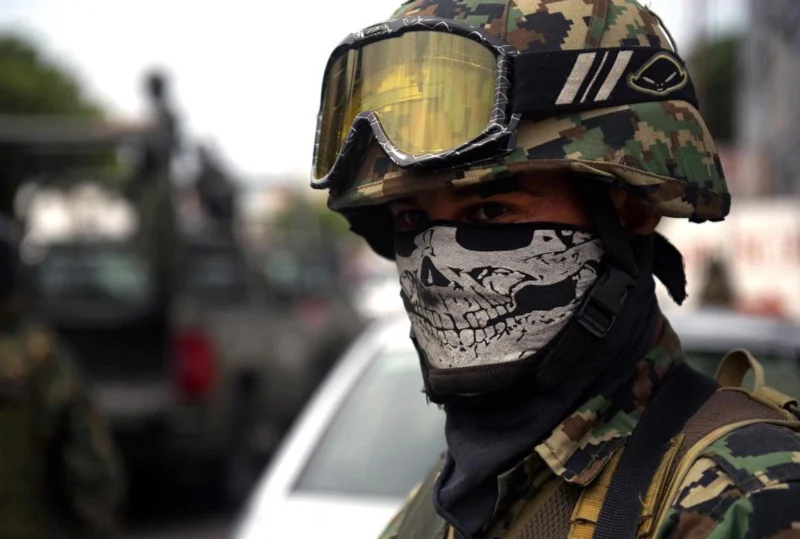
In the United States, in Latin America, and around the world, the wars that we are fighting today on drugs and terrorism both grew out of and bear a striking resemblance to the Cold War. Not only that, but many of the same people and groups that fought the Cold War are now fighting today’s wars, using the lessons they learned and the power and influence they gained from that earlier struggle.

The Battle of Salamis: Themistocles and the Birth of Strategy

The Battle of Salamis: Themistocles and the Birth of Strategy

A strategos was not solely concerned with winning battles — the tactics. He was, in the later words of Clausewitz, concerned with the use of battle to further the political ends of his city. In other words, the strategos had to keep the long-term goal in mind and ensure that the tactics work to further that goal. A tactician would never abandon key terrain without a fight; it makes little tactical sense. But strategy may demand that very thing and tactics must be subordinated. This exact situation occurred during the Persian Wars in Fifth Century Greece. The first major Greek strategist, and perhaps the most gifted, was Themistocles.

A Marine’s View of the Army Vision

A Marine’s View of the Army Vision

As a (retired) Marine, I read the Army’s new strategic document, Army Vision 2015–2015, with a different perspective than its primary readership. While it is a shorter document with less detail than either the Marine Corps’ Expeditionary Force 21 or the Navy/Marine/Coast Guard Cooperative Strategy for 21st Century Seapower, the facets of land power that the Army Vision emphasizes are telling.

Same Wars, Different Fights: The Army and Air Force Visions

Same Wars, Different Fights: The Army and Air Force Visions

These two visions are a result of the last 15 years of fighting experience that the Army and Air Force have built. They are both highly divergent, and also complementary. The Army has taken the brunt of the changes that have occurred in the global civilization since the fall of the Soviet Union and is now learning to operate against connected and individually powerful enemies who operate in complex social and urban terrains. The Air Force has been finding its connection to its joint family, overcoming the hubris of early airpower advocates and finding a voice in the joint fight. The two services probably fight better together now than at any other time in the past. But can that hard won cooperation be sustained with such radically different visions of their futures?