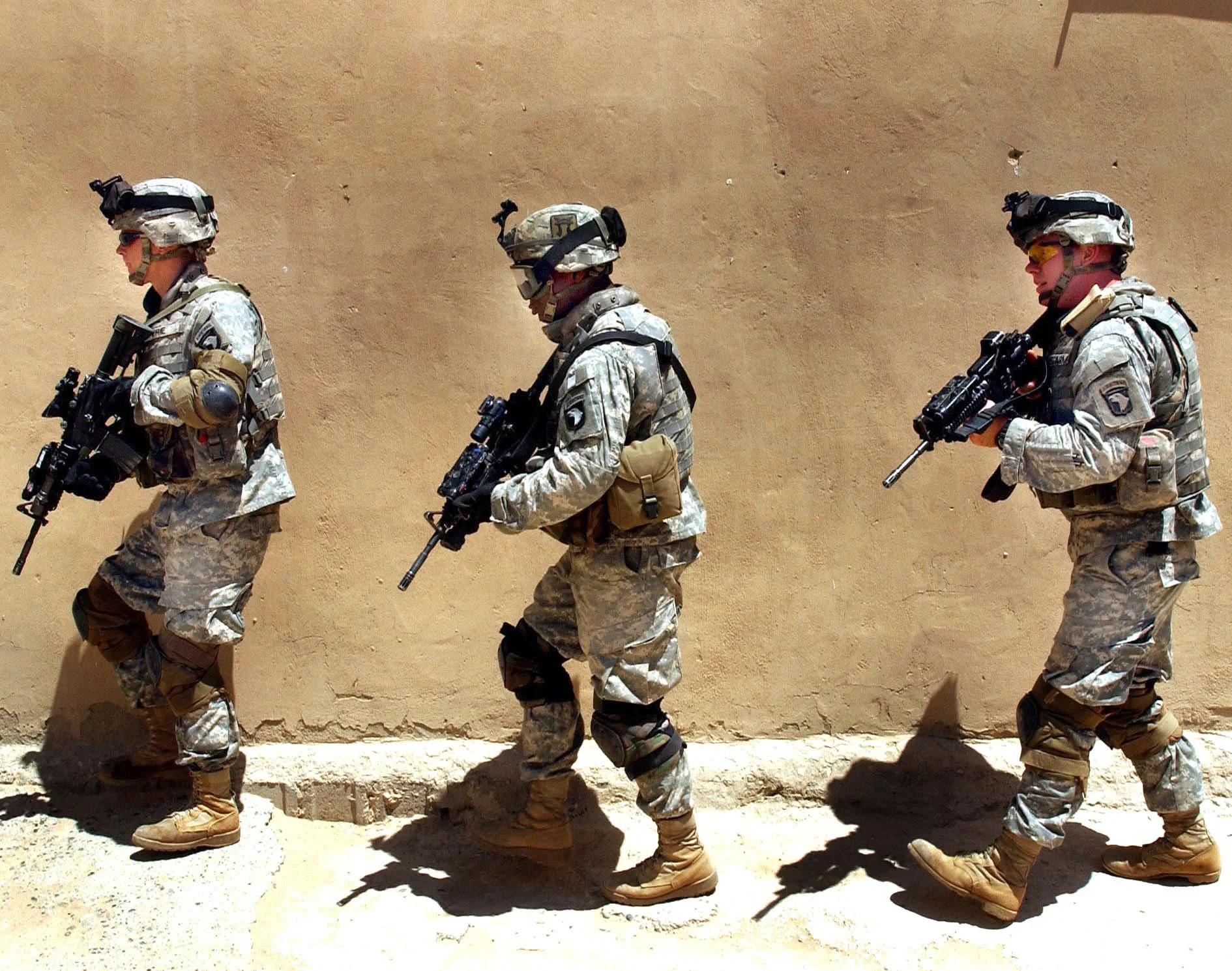
As we spend so much time considering military effectiveness (which is, admittedly, a terribly important measure), one underestimated component to any strategy is efficiency.

President Putin made three foundational assumptions in launching his war against Ukraine that should have been correct but were not. First, Putin assumed the invasion of Ukraine would be a quick and easy fight. Second, he assumed the world would denounce the invasion but tacitly allow it. Third, Putin assumed the war would deter NATO expansion.
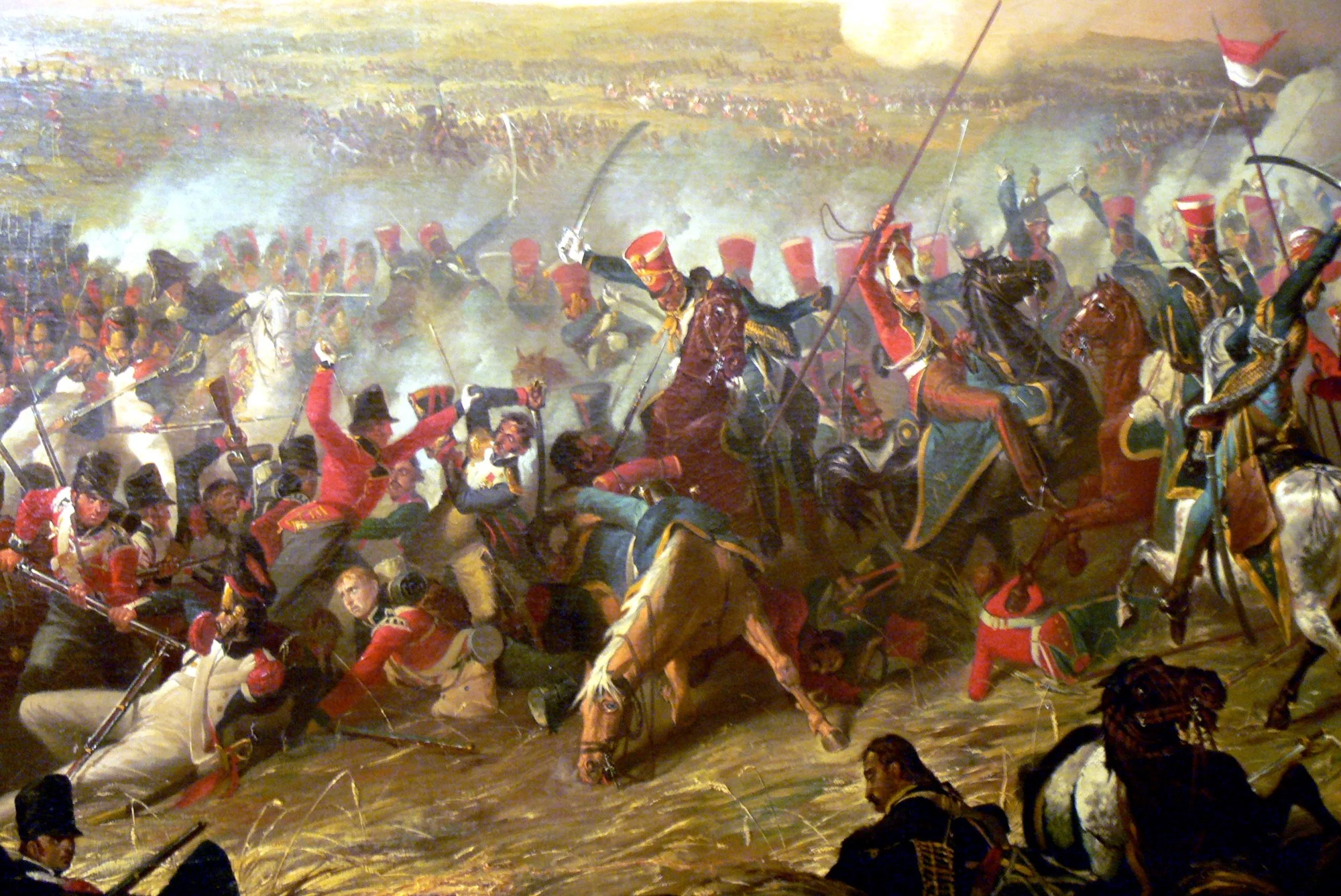
In the late 18th Century, leaders across Europe wrestled with how to handle the upheaval that was taking place in neighboring France. The political environment in France was characterized by chaos, panic, and extremism, and it gave birth to a military leader that would revolutionize warfare and change the geopolitical landscape of the continent. While using the wrong analogy can be dangerous, one can’t help but see comparisons to the situation today in the Middle East.
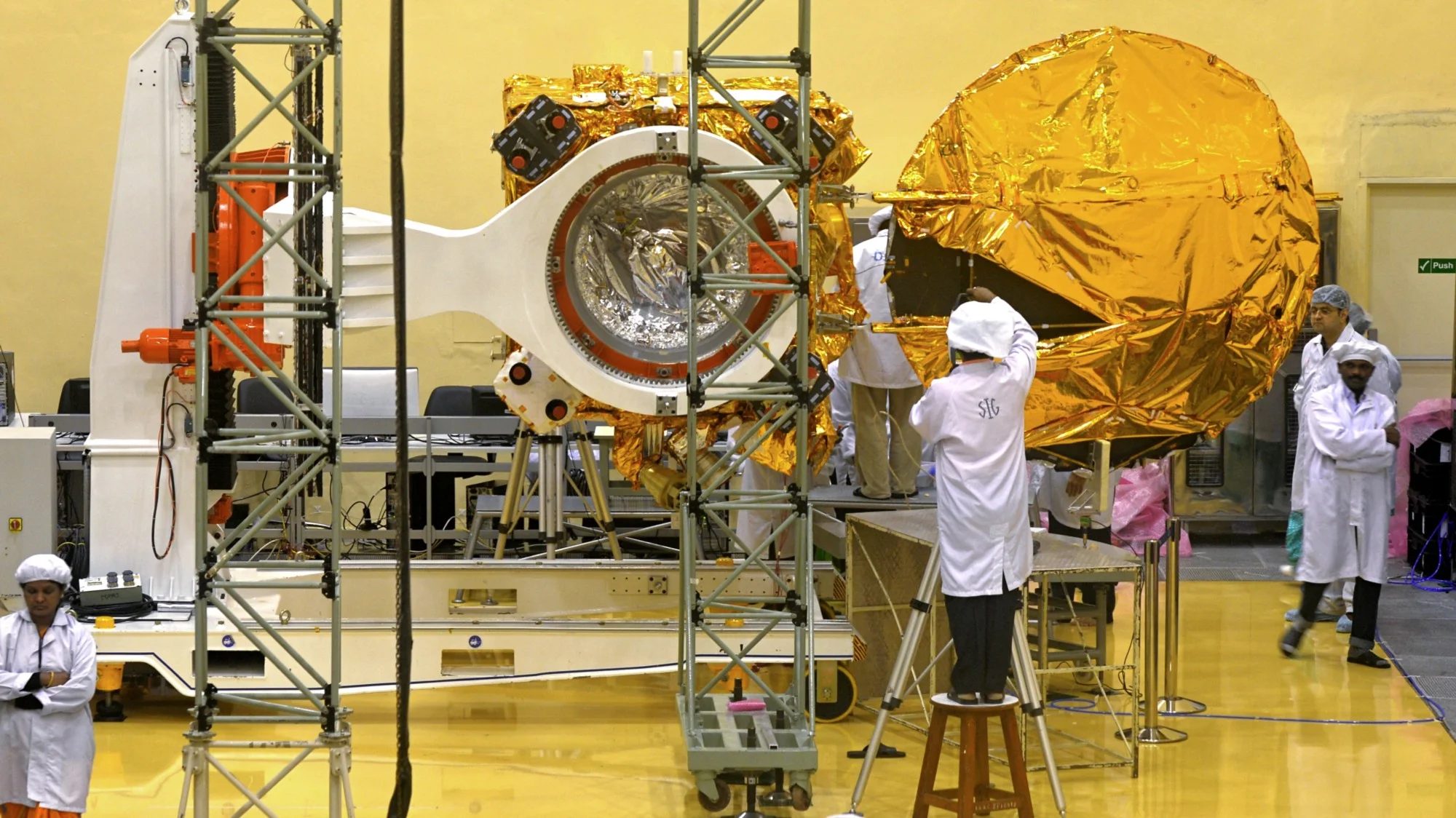
Growing concern over China’s burgeoning military might and seeming willingness to use it has caused many to re-evaluate U.S. Army doctrine and training. Counterinsurgency and asymmetric warfare have dominated Western military thought over the past decade of fighting. However, the escalating conflict in the South China Sea has many strategic thinkers considering how to fight a large-scale war once again. One nation often overlooked in the Pacific equation, though, is India and their emerging capabilities in space, and how those emerging capabilities may impact an armed conflict.
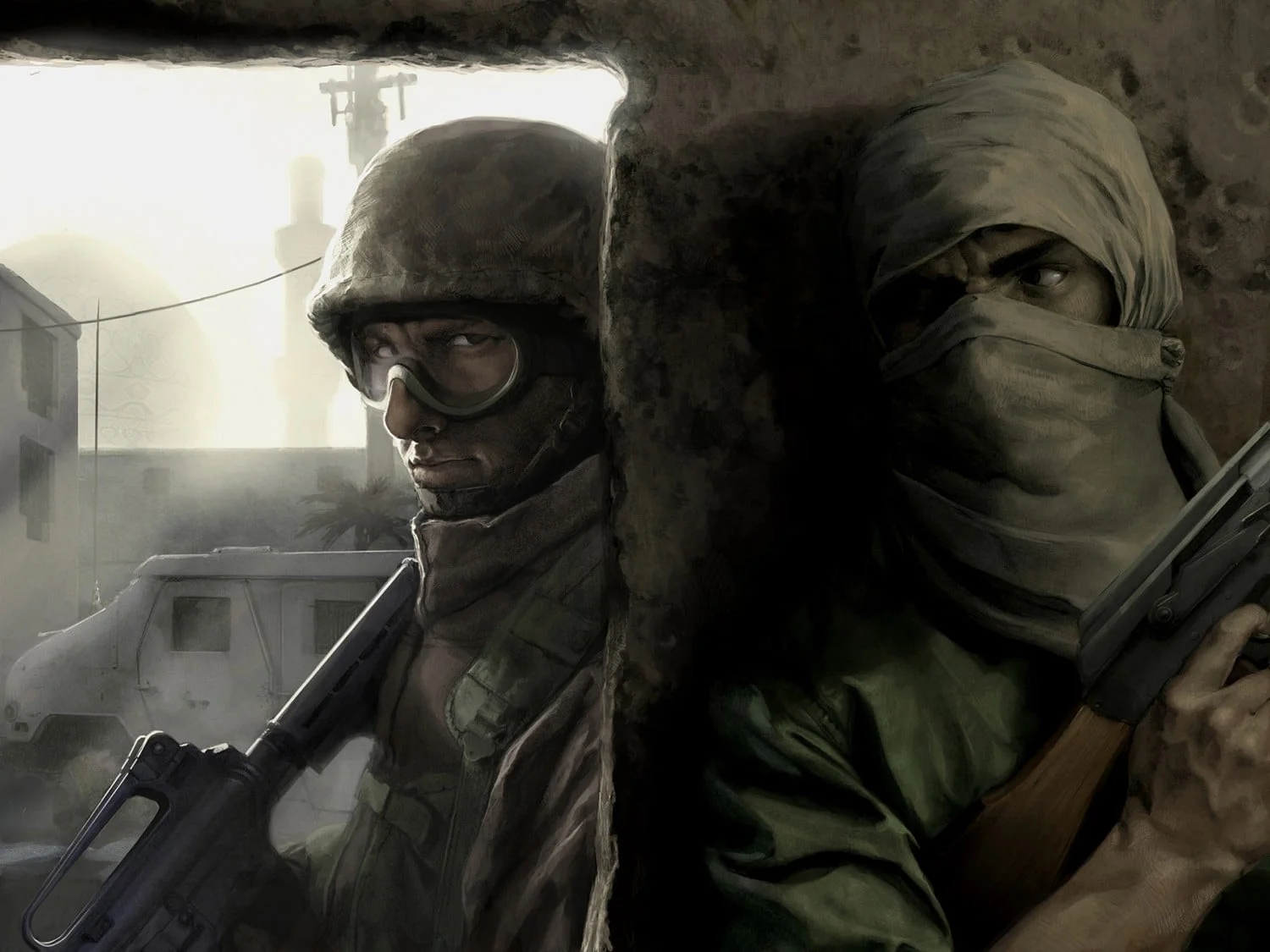
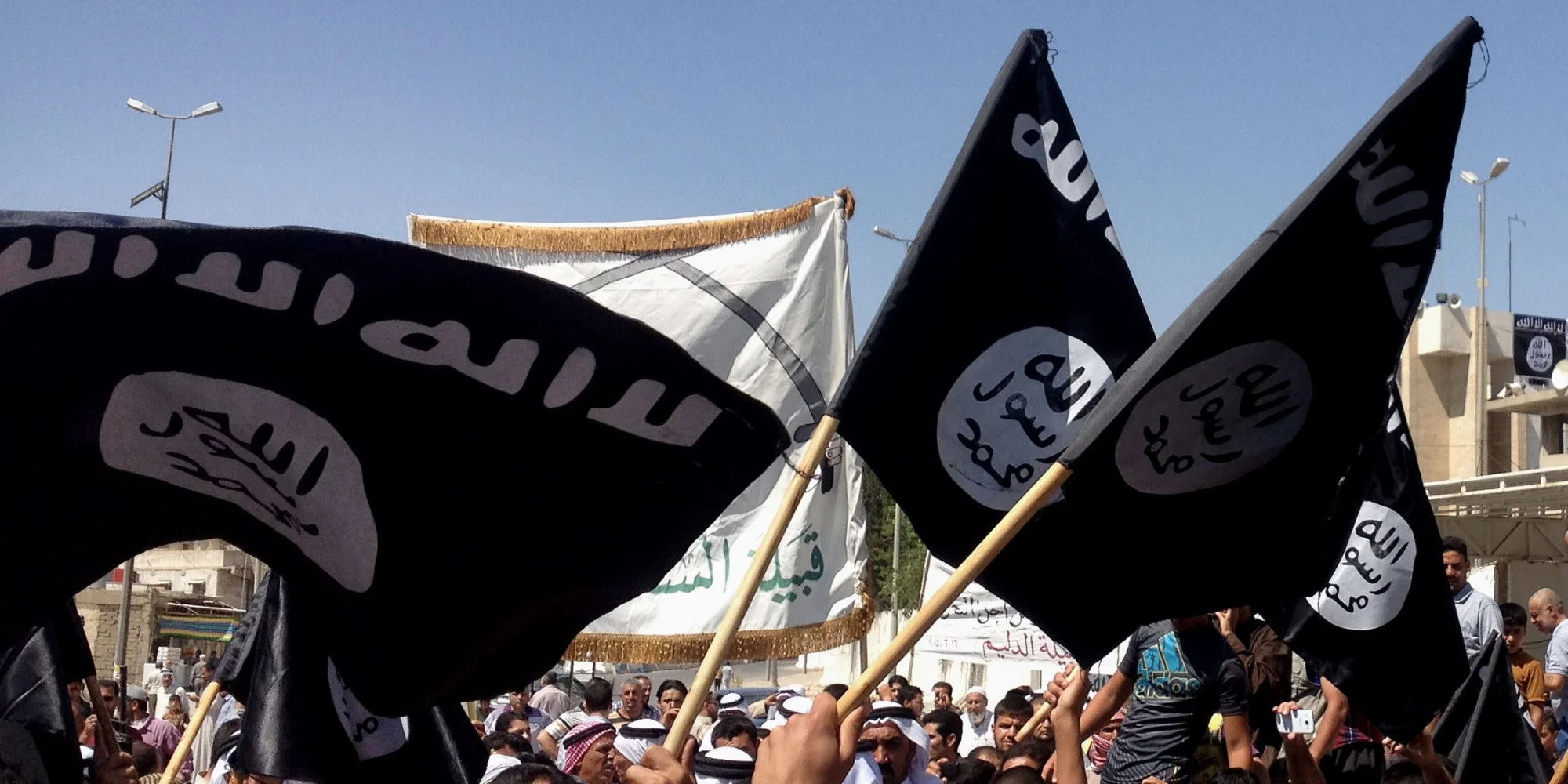
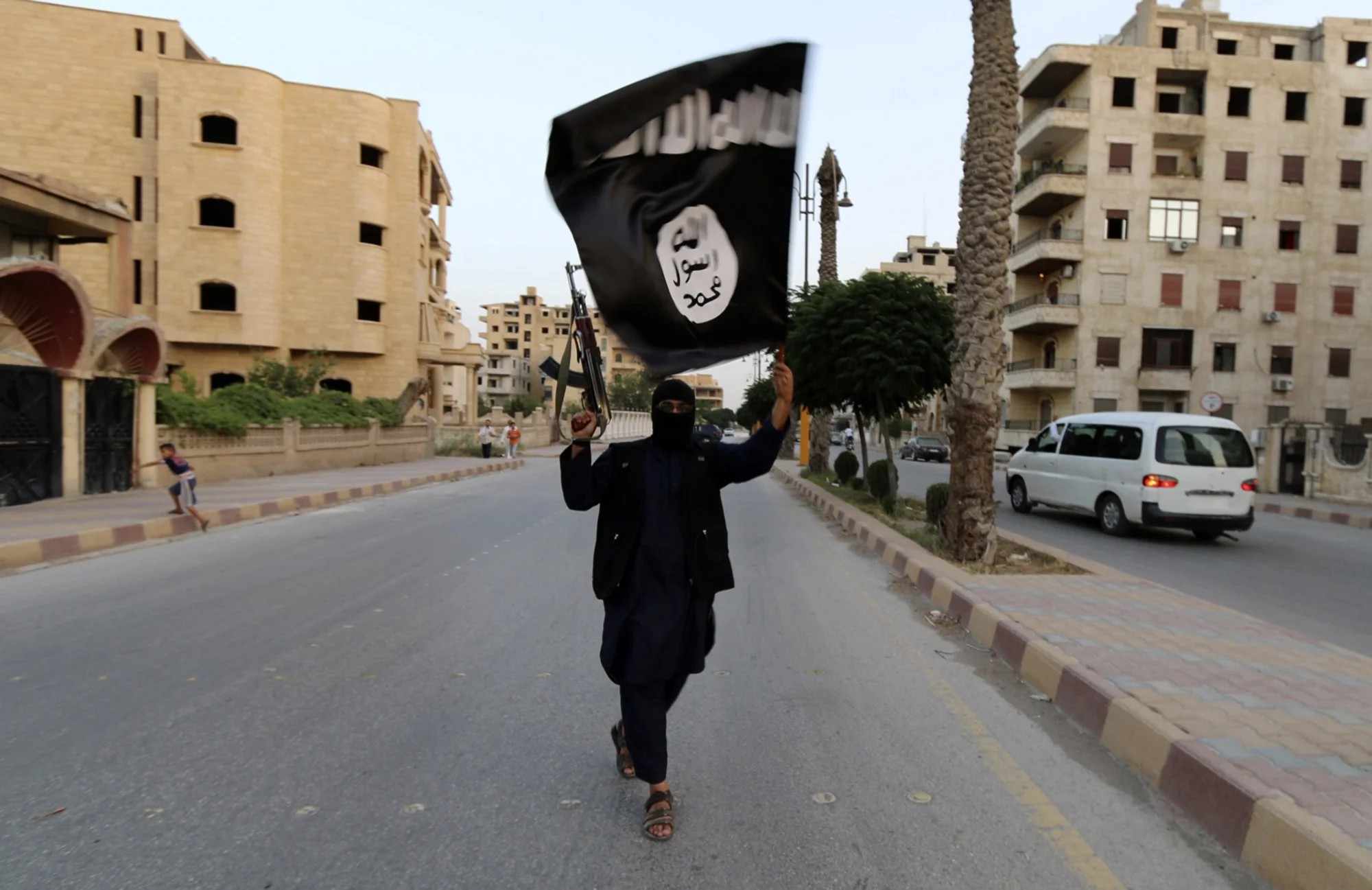
ISIL, once affiliated with Al Qaeda, has used horrific violence to gain followers and territory. They have even been so bold as to declare a Caliphate and rename themselves the Islamic State (IS).The level of violence, tactical advances and media savvy of IS dominates the headlines. What is not as widely reported is the role women play in IS.
War, we are told by a wise elder, is the “pursuit of policy by other means.” In fact, this famous statement was perhaps more an aspiration on Carl Von Clausewitz’ part than a statement of metaphysical truth. It is often observed that German generals in the succeeding generations completely forgot this famous dictum, which demoted them relative to civilian leaders they often held in contempt. But American generals do not seem to be immune, either.
I have heard quite a bit of talk about the proposal of using airpower to disrupt and destroy ISIL and it usually points out how airpower has failed to meet ambitious policy goals in the past. So has landpower. I’ve read articles with people coming out of the woodwork to say what the “limits of airpower” are and I would ask them to consider that they’re really talking about the limits of war. Especially war as we like to think of it.
Before the physical battle to defeat ISIL begins, the narrative surrounding that fight must be clearly delineated and thoughtfully parsed. The first step in defeating ISIL is to deny it statehood. The second step in defeating ISIL is to ensure that the states of Iraq and Syria have strong, legitimate, and sovereign governments — whether we like them or not.
oday we have an article from the dark side of America’s soul (with deep roots in our history) enticing us into evil. War erodes our strength, and after 13 years of the War on Terror our defenses against evil are quite thin. Voices like this, although seldom so vivid, probably will dominate debate among the presidential candidates of both parties during the next two years.
What do we do about the chronic, endemic issue of which ISIS is merely the latest manifestation? To answer that question, we must first look at our left and right limits of strategy and risk. What is on the table? What is off the table? What are we really trying to achieve and will it be worth the costs?The new American way of war seems to be to trickle into a fight, muddle our way through it with nebulous and often competing goals, and assume at some point—hopefully not too long after the arrival of boots on the ground or airpower overhead—that our enemies will come to their senses, lay down their arms because they suddenly see things our way, and promise to be good little citizens for time immemorial. I give you Iraq, Afghanistan, and most other every major military engagement back to Vietnam.What do we do about the chronic, endemic issue of which ISIS is merely the latest manifestation? The new American way of war seems to be to trickle into a fight, muddle our way through it with nebulous and often competing goals, and assume at some point—hopefully not too long after the arrival of boots on the ground or airpower overhead—that our enemies will come to their senses, lay down their arms because they suddenly see things our way, and promise to be good little citizens for time immemorial. I give you Iraq, Afghanistan, and most other every major military engagement back to Vietnam.
Identifying a central theorist of airpower, or group of theorists, invariably generates controversy. Most agree that the Italian general Giulio Douhet was important, but few grant that he lends much direct insight into modern warfare. William “Billy” Mitchell is a critical figure in the institutional history of the USAF, but his influence of airpower thought was much less important. Trenchard and Arnold were more organizational pioneers than airpower theorists.That said, almost everyone who’s studied post-war American airpower agrees that John Boyd and John Warden were important influences, even if they disagree as to whether than influence was good or bad.
There is a popular expression that says the definition of insanity is doing the same thing over and over, expecting a different result. There are, of course, many different types of insanity. As one watches U.S. politicians and policymakers debate and form policy with respect to events taking place in the Iraq and Syria, one can’t help but contemplate that insanity in foreign policy is defined as adopting the same deluded and counterproductive policies around the world, decade after decade, expecting different results.
We have all been there at some point in our military careers. We have woken up in the morning, looked into the mirror, and asked ourselves “Is serving my country worth all the avoidable headaches that comes along with wearing the uniform?” This inner monologue that takes place around 5 o’clock in the morning could be the result of fatigue from navigating what seems like the maze-like bureaucratic minutia of our daily jobs, or a single event at the unit that disrupted our lives. It is usually within these moments that we feel the tension between our professional calling and the possibilities that await us in the civilian world.
The future of Europe as a relevant 21st century actor still lies in its ability to successfully deepen the integration of communities which it began towards the end of the last century. As the 21st century progresses the US will assume a “first among equals” role in the international system rather than remain the sole superpower. Hiding beneath the American umbrella will cease to be a strategy and become a liability. In the coming multi-polar world, Europe must learn to wean itself off the US if it is ever to become its own community and strong enough to set an independent agenda. This will not be easy.
Joe Funderburke, Ad Godinez, Andy Whiskeyman and Bryan Groves recently teamed up to post a short article on Tom Ricks’ Foreign Policy blog, “The Best Defense.” In the article, this sagacious team of doctoral students offers readers the foundation of what appears to be a cogent argument that the U.S. has taken its eye of the proverbial international relations ball by allowing misfocused, meandering Liberal ideology to supplant a more pragmatic, grounded Realist approach to the formation and execution of foreign policy since the collapse of the Soviet Union.
The Army represents the foundational constant of the nation. While the nation historically has been averse to a large standing Army, whatever the shape and size, it is expected to remain the foundation of our national defense. While no model or mathematical concept can determine the right size of an Army of its value to a nation, these tenets can serve as a starting point to ascertain the Army’s missions, responsibilities, and characteristics.
When Phil Klay's book Redeployment was delivered to my apartment a few months ago, I was about to take a long subway ride down the eighty or so blocks to Columbia. I took the book with me. It wasn’t a good idea after all, to open it up and read the title story on the 1 train — crushed into the railing, rattling southward in the dark tunnel. My throat had closed up by the time I hit my stop. When I emerged out into the sunlight from underground, Sgt. Price, the bluntly insightful narrator of “Redeployment,” walked up the stairs and out onto Broadway with me.