"Monday Musings” are designed to get quick, insightful thoughts based around three questions from those interested in strategy, from the most experienced and lauded, to our newest thinkers/writers.

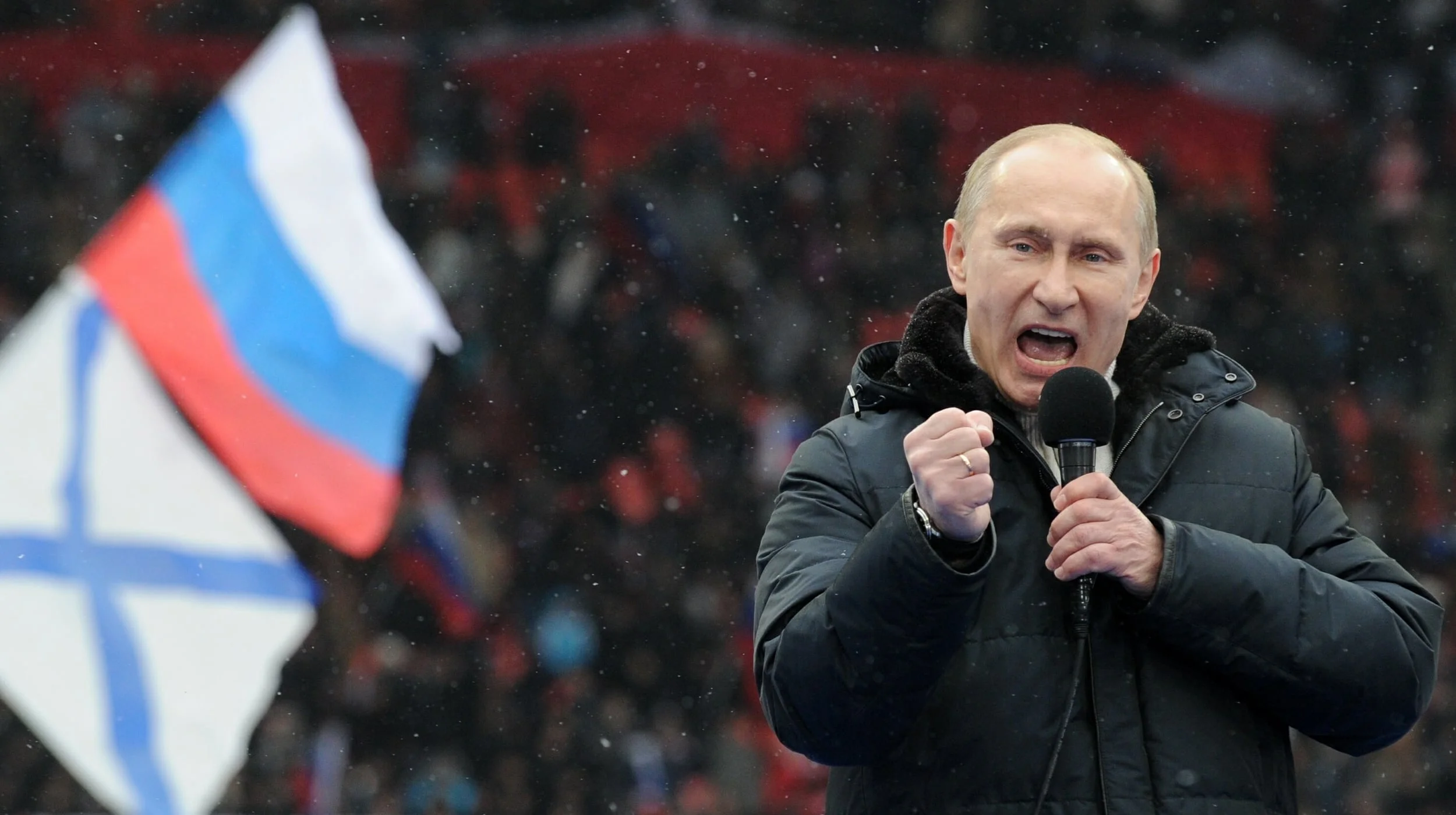
President Putin made three foundational assumptions in launching his war against Ukraine that should have been correct but were not. First, Putin assumed the invasion of Ukraine would be a quick and easy fight. Second, he assumed the world would denounce the invasion but tacitly allow it. Third, Putin assumed the war would deter NATO expansion.
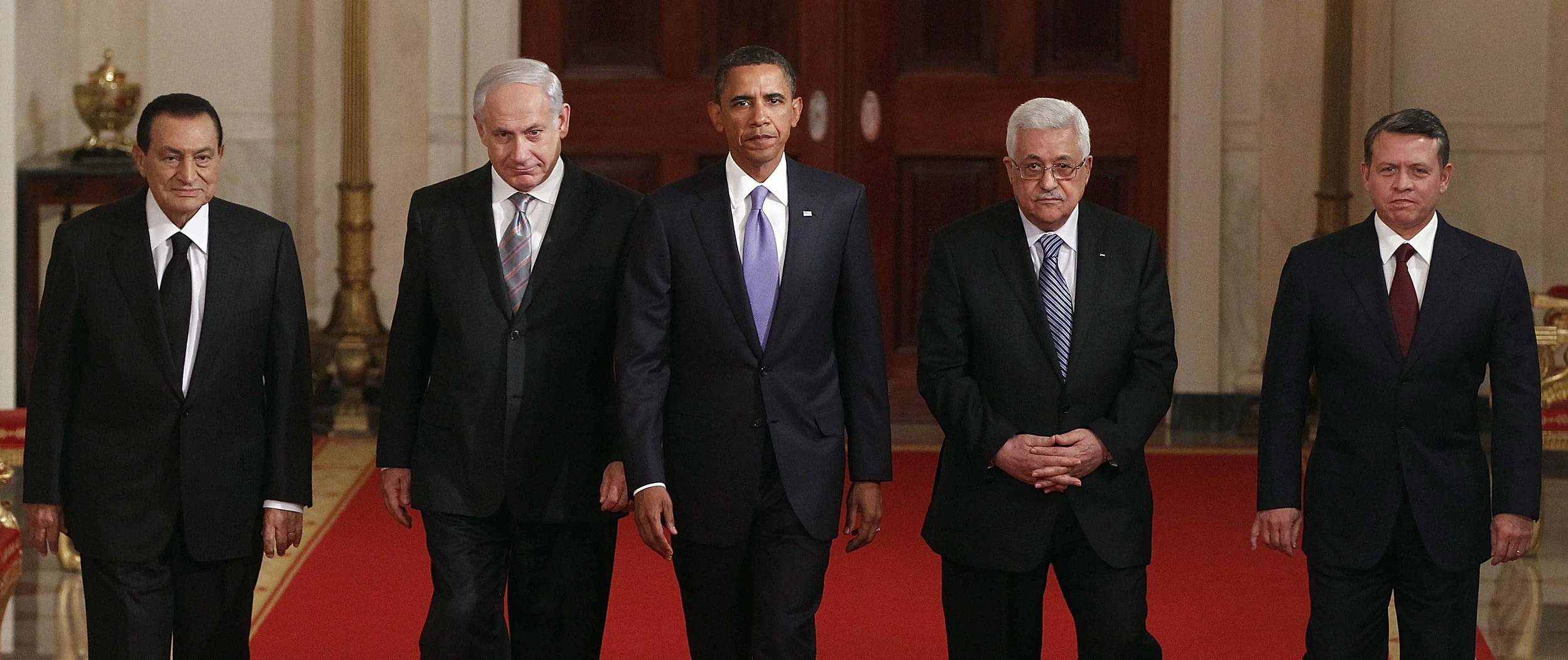
The West needs a new plan for curbing violence and increasing stability and prosperity in the Middle East. We have decades of experience from which we can learn in order to map out more effective future strategies. This article details a new 5-point plan for promoting peace, prosperity, and stability in the Middle East.The West needs a new plan for curbing violence and increasing stability and prosperity in the Middle East. We have decades of experience from which we can learn in order to map out more effective future strategies. This article details a new 5-point plan for promoting peace, prosperity, and stability in the Middle East.
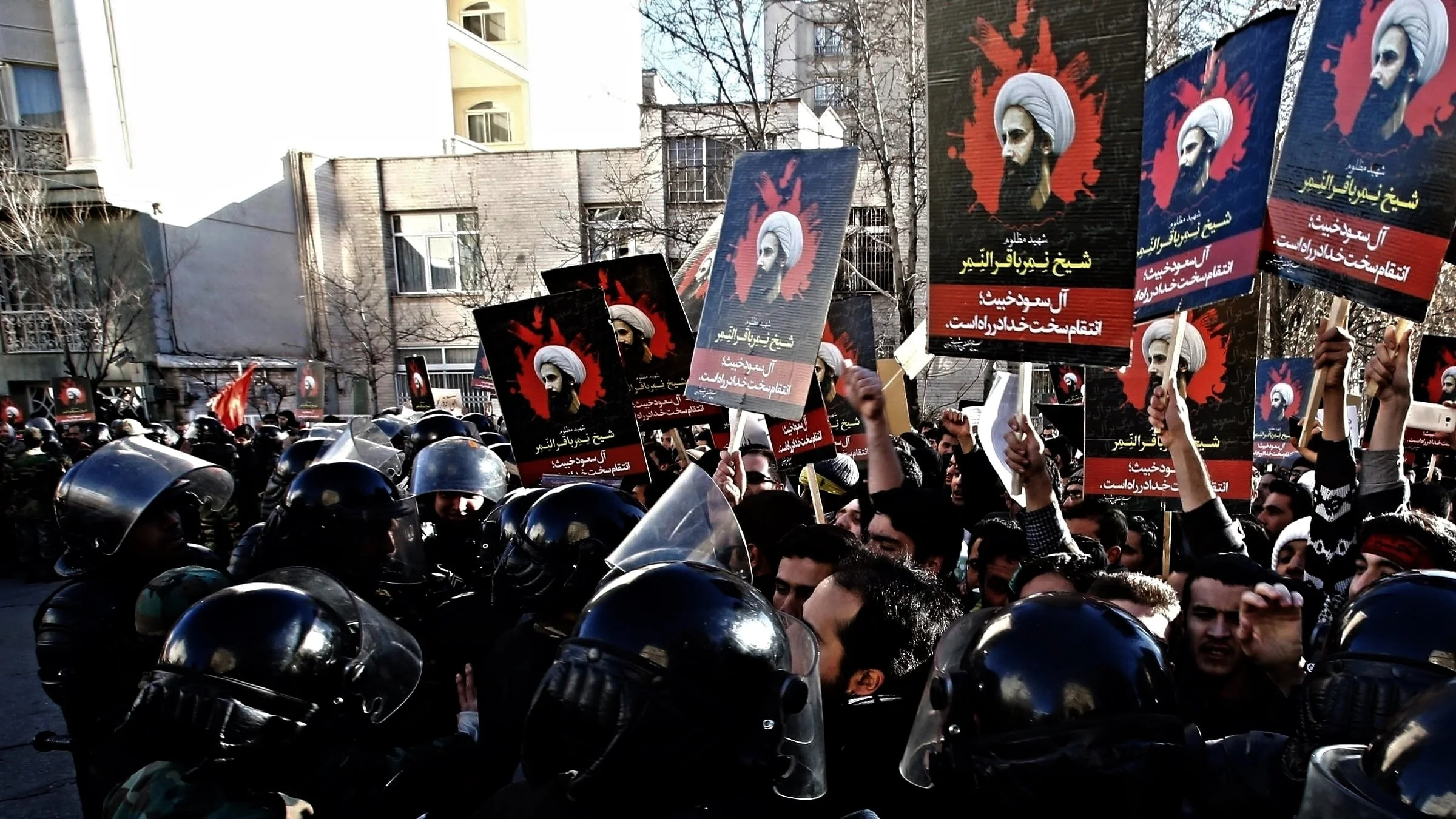
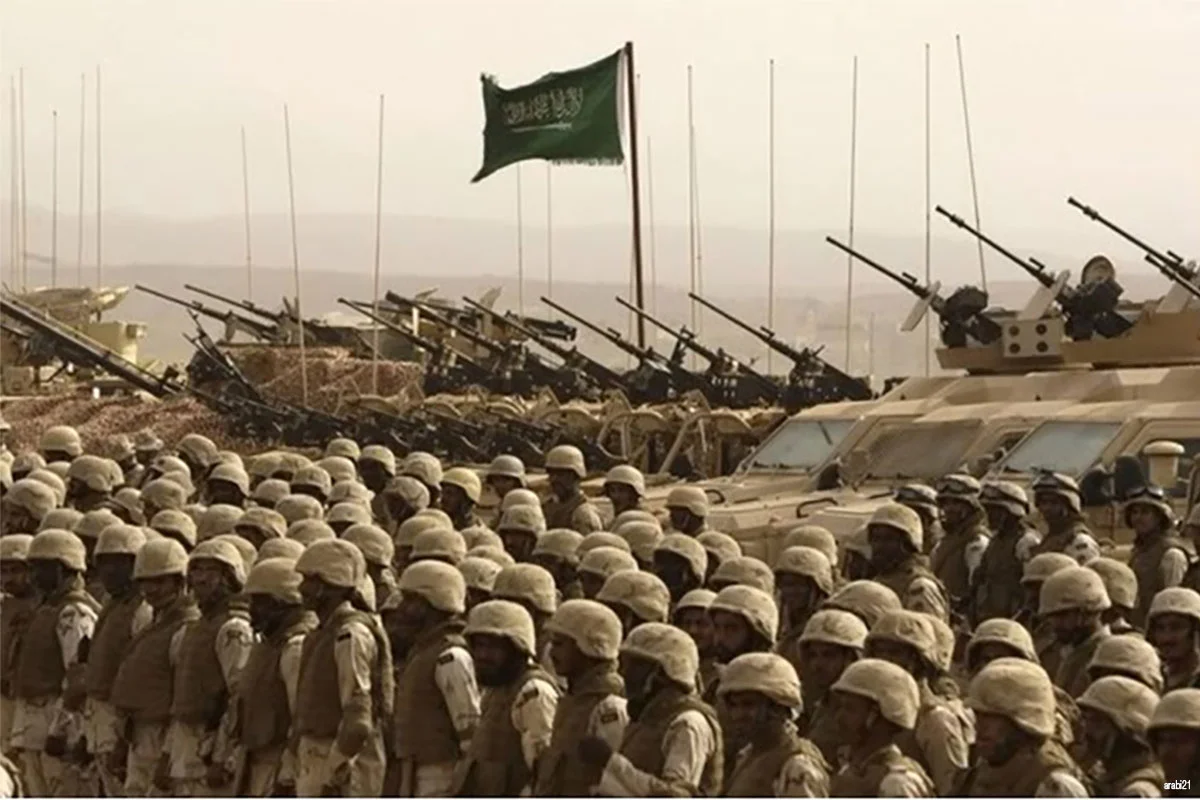
The United States’ favorite “ally without portfolio,” Saudi Arabia, reacted coolly to recent news of the US-Iranian nuclear deal, with a combination of official tepid praise and private indignation. Many wondered at the time what the long term fallout from the deal might be and it looks like Saudi Arabia is finally giving the world their answer: they aren’t giving up on wrecking the deal just yet.
Top military leaders instruct officers to attend more closely to the tangled connections between a military unit's actions, its armed adversaries, and the sociopolitical landscape on which conflicts unfold. Insofar as these causal connections elude military professionals, armed interventions will tend to induce unwelcome consequences and, thereby, strategic discontent. Educators can help. The skilled integration of political science in the classroom provides a way for educators to squarely address these leaders’ concerns. But we first have to rethink fundamentals. Namely, what does military expertise and advice entail?
Few, if any students or practitioners of strategy can argue the importance of Admiral Alfred Thayer Mahan’s influence on sea power theory, as well as his impact on the American military institution as a whole. As with any theorist, however, we tend to examine his body of work, and to look at the factors that shaped who he was as a strategist and a mariner. Most works only give a cursory glance at the things that influenced Mahan’s character across all facets of his life. In God and Sea Power, author Suzanne Geissler goes beyond that, following the closely-interwoven relationship between Mahan’s faith and his work as a sailor, leader, and strategist.
Russia’s President, Vladimir Putin, governs over the largest landmass on earth, the world’s 2nd largest nuclear arsenal, and over 140 million people. Putin has been criticized as being cold, calculating, and autocratic. He has taken offensive measures in Crimea and Georgia, aggravating European leaders and resuscitating Cold War nostalgia and fear. Furthermore, Putin vehemently refuses to concede to rebel forces in Syria, despite President Bashar al Assad’s wartime atrocities and his illicit use of chemical weapons. While many argue these acts are evidence of Putin’s ruthlessness, they also reveal calculated and strategic foresight.
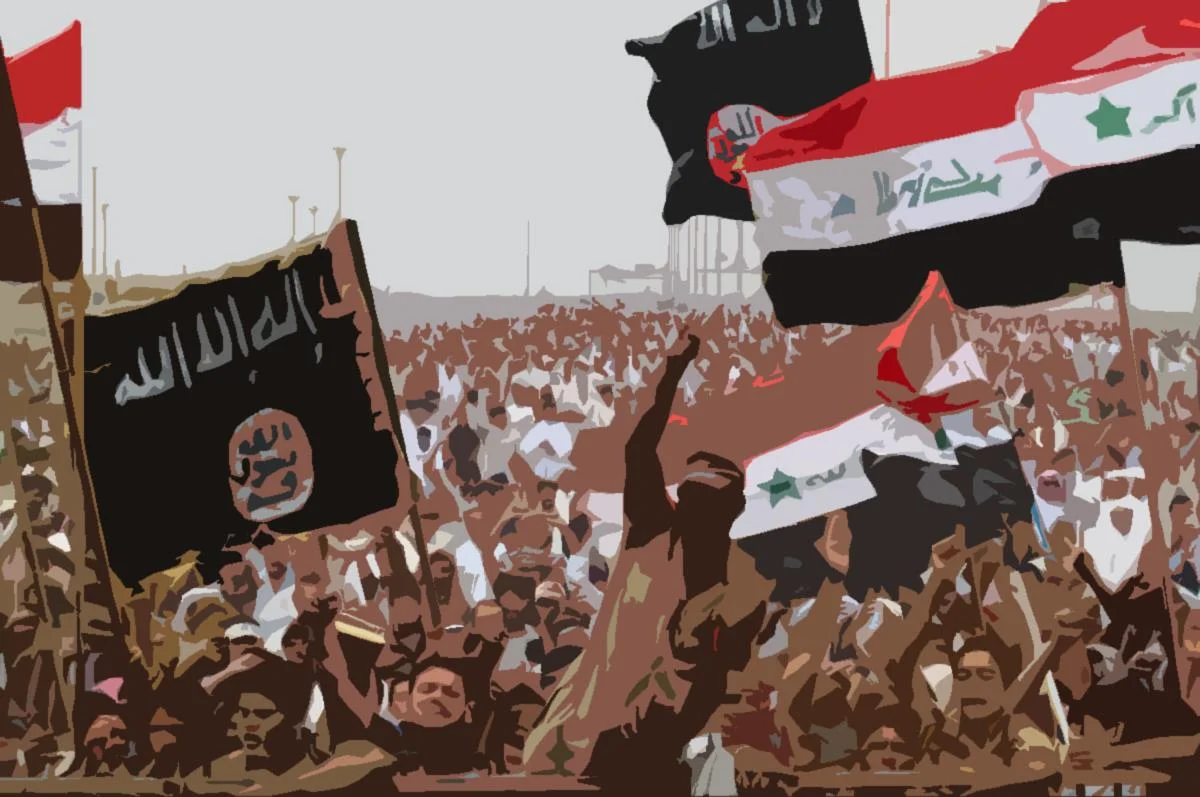
The Islamic State group (ISIS) is running up against a wall. As national coalitions take a larger role in the fight against ISIS, the group will become increasingly unable to operate on as large a scale as it has in years past, and it will be pushed out of its previously held territories – its decline may take years or even decades, but it will ultimately decline. But although ISIS may deplete its resources and feel increasing pressure from the international community, its members will not simply disappear as the group loses momentum.
I first got interested in Clausewitz while living in Germany. It was a time of heated debates on whether US should have invaded Iraq. I think I bought my first copy of On War in German around 2005. Then during my graduate work, Clausewitz was again a big part of the discussions and I started reading it once again. This time, however, I was also interested in Clausewitz, the man and soldier, and so I stumbled upon the whole story about Marie editing On War. None had written anything in depth on the subject and I thought this might be something I could study.
Carl von Clausewitz is known today as the West’s most influential military thinker. His seminal treatise On War lies at the heart of modern military doctrine. One recent article even compared its status among U.S. officers to that of St. Paul’s letters among Christians...The newly discovered complete correspondence between Carl and Marie von Clausewitz offers invaluable clues about the military theorist’s times, personal life, and writing habits. And, finally, they shed some light on Carl as the person and writer, instead of just the theorist.
Recently, Aaron Bazin published seven charts that explain the American way of war. Expanding on his work, I offer the single graphic above that displays the United States military’s activities over the past 35 years, a chart that suggests some insights for how the United States might re-organize its forces and capabilities. Importantly, this analysis moves beyond major combat operations such as those in Iraq and Afghanistan, and includes others in the range of military operations, including actions as diverse as non-combatant evacuation missions in Africa and firefighting relief in the homeland.
One year ago I was hugely fortunate to take command of the Australian Army’s 1st Brigade located in Darwin, at the top end of Australia. It is a formation with a proud history stretching back to its service throughout the Gallipoli campaign, both World Wars, Vietnam and in the contemporary struggles in Iraq and Afghanistan.
Daesh is now meeting what Clausewitz refers to as friction in war, i.e., those factors that sap the war machine of its vitality. In its drive to establish an Islamic Caliphate, Daesh reached out far and wide to project its influence, overextending its capabilities in the process. The developing stalemate across its fronts could indicate an operational pause to consolidate, or it could simply mean that it is reaching the “diminishing point of the attack.” For an organization that sells itself as a dynamic, maneuver-oriented offensive force, Daesh cannot afford to get locked into a defensive war of attrition.
In examining another’s ethics and morals, the question often comes up that given the possibilities of time travel, would you be capable of killing Hitler in his youth or prior to his rise to power? The simple answer is yes, while others try a more nuanced approach of convincing Hitler of his promise as an artist, to the inane of stealing his wallet to make his life just a touch more uncomfortable. Amazon’s The Man in the High Castle takes an alternate approach.
One of history’s first large scale “left hooks” took place during the Punic Wars between Rome and Carthage. The fundamental principles of that ancient conflict can be seen in World Wars I and II, and even Desert Storm: all these “left hooks” share the common principles of surprise, shock, timing, overwhelming force, precision, and deception; they are military envelopments with strategic implications.
In the second installment of the original Star Wars trilogy, the main character Luke Skywalker is prompted to enter a cave on the planet Dagobah by his teacher, the venerate warrior Yoda, as part of his training. Luke senses the evil within, and so, he arms himself before proceeding. Yoda, understanding the challenge before his pupil, counsels Luke to leave his weapons behind. Trusting prudence over wisdom, Luke arms himself and plunges into the cave where he is confronted by a manifestation of his nemesis, Darth Vader. Skywalker defeats his foe in a brief saber duel but his moment of victory is interrupted when Darth Vader’s mask disappears to reveal Luke’s visage.
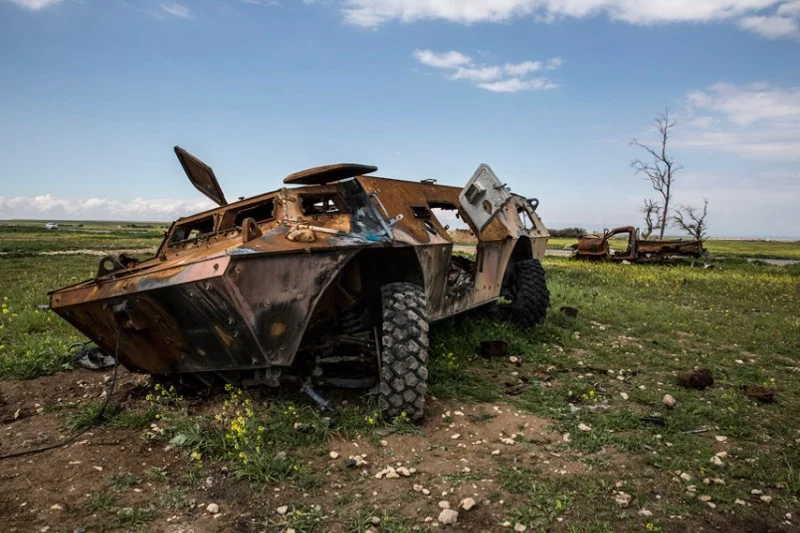
Much has been made of the Obama Administration’s decision to reduce the scope of its train and equip program in Syria. While the decision to dramatically overhaul the failed initiative was certainly correct, its successor seems even less likely to achieve meaningful results. Instead of discussing how best to interact with Syrian rebels, the nation should be discussing what it seeks to gain in doing so. The United States has pursued a confused and reactionary strategy in Syria that has failed to identify a clearly defined goal or objective. In order to assess how the United States can move forward in achieving its regional objectives, it must first define its end goal.