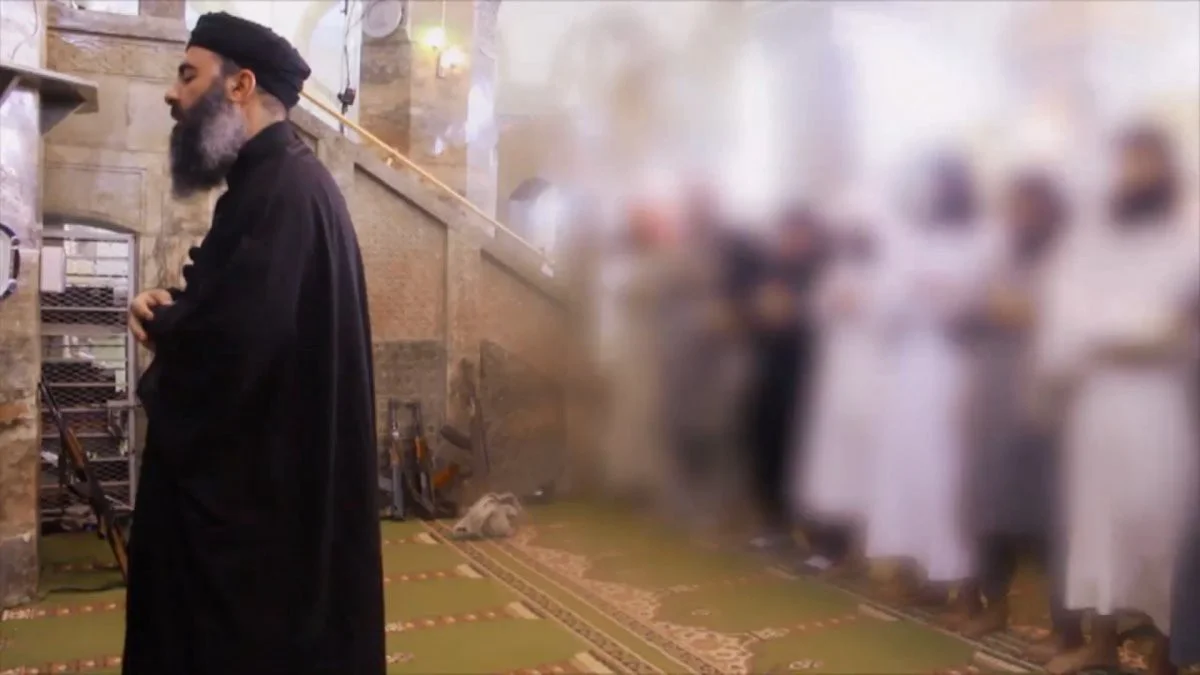
The recent wave of international terror attacks committed by the Islamic State (IS) — in Turkey, Lebanon, Egypt, and France — mark a significant departure from the group’s past strategic approach. For much of its existence, most notably under the leadership of Abu Bakr al-Baghdadi, IS’s overriding priority has been state-building. Localized terrorism in Iraq and Syria, widely used by the organization as it transitioned from an insurgency to a proto-state, has been employed as a method of population control.
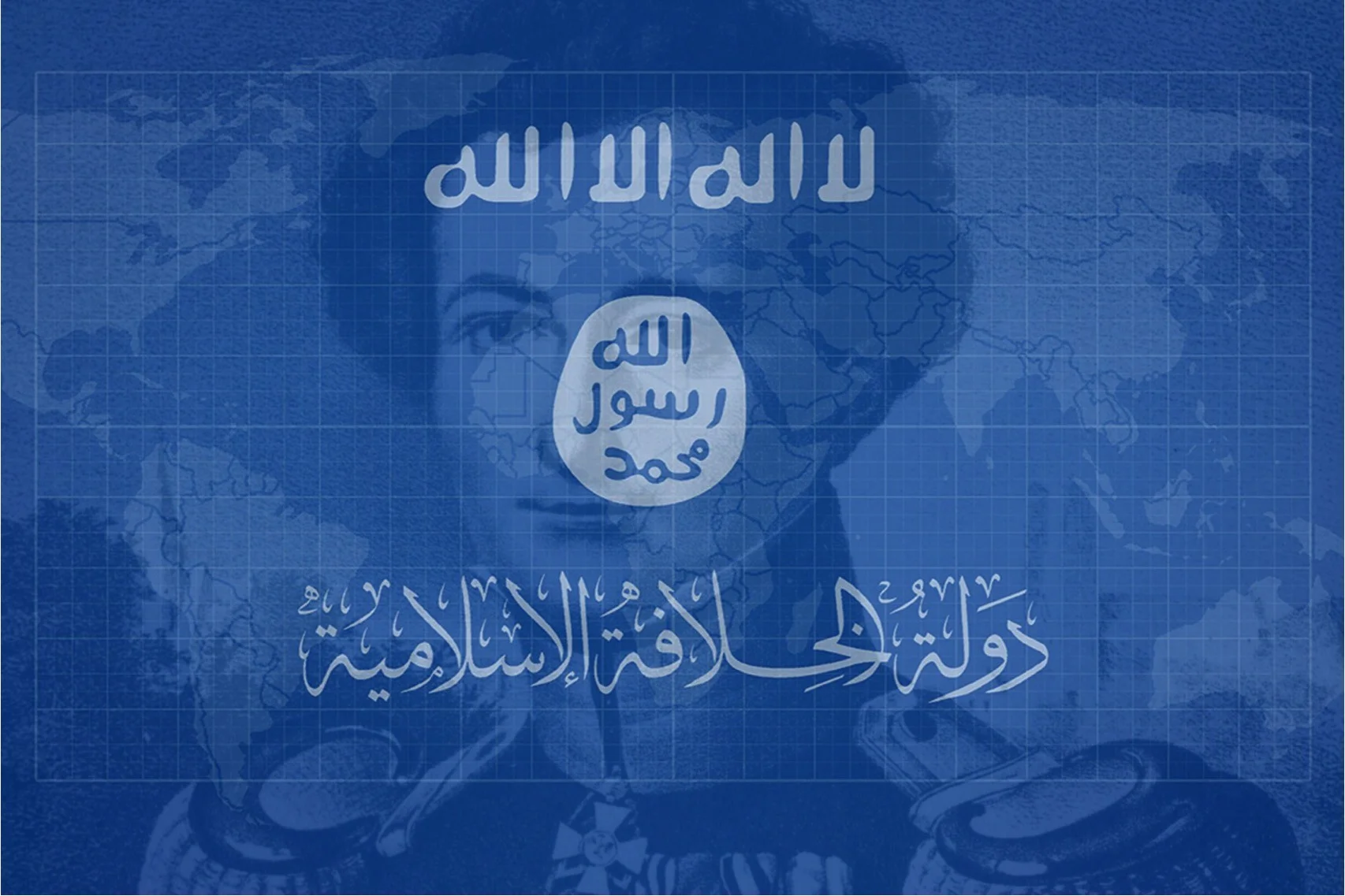
What Would Clausewitz Do?
Several years ago, during a visit to the U.S. Army War College, I was invited to have lunch with some of its instructors. The school teaches Army officers about strategy and its course offerings (“Civil-Military Relations,” “Peace and Stability Operations,” “Irregular Warfare”) reflect that mandate. So, naturally, the lunch discussion focused on strategy, and how to teach it. While I don’t now recall the exact details of that conversation, a statement by one of the war college’s professors has stayed with me. It brought immediate laughter — and unanimous assent. “Just remember,” he said, “that no matter what the question, the answer is always Clausewitz.”
#Monday Musings: Stan Coerr
Social Media as Force Multiplier
Recently, James Carafano wrote a though-provoking article based on the premise that American leadership has lost the ability to think deeply and well. This is not an uncommon refrain, nor is the solution he proposes — improved education — but, in elucidating his point, he makes the following argument:
The Real Reason to Worry About Turkey and Russia
As soon as the news broke about Turkey shooting down a Russian fighter, my mind flashed to a scene in The Hunt for the Red October. I heard Fred Thompson’s character tell CIA-analyst Jack Ryan, “This business will get out of control. It will get out of control and we’ll be lucky to live through it.”
Pakistan Catch-22: The Trouble With Wars in Landlocked Countries
Lemar Farhad recently wrote on the relationship of the Pakistani government and the Taliban in “Why Peace with the Taliban Is a Bad Idea”. In it he highlighted specific reasons why Pakistan has been aiding the Taliban against the current U.S. and NATO backed government in Afghanistan. This duplicitous stance by the Pakistan government, which is also our ally in the Global War on Terror, makes the goal of actually defeating the Taliban likely unattainable.
The Roots of the Taliban
In a recent article for The Bridge, it was proposed that negotiating with the Taliban is not only morally reprehensible but also a fool’s errand as the movement is a proxy force of Pakistan. So long as Pakistan supports the Taliban, it was argued, a conclusion to the War in Afghanistan will remain elusive; the Taliban will be militarily neutralized only when Pakistan removes its support.
The Distraction of Service Biases
The inter-service biases we all hold have a tendency to distract us from seeing the forest for the trees. Carl Forsling’s analysis of the Army Vision reflects his biases in favor of the U.S. Marine Corps. A clear-eyed assessment of both the Army Vision Force 2025 and the Marine’s Expeditionary Force 21 makes it clear that both services’ vision of themselves and the future are actually complementary.
#Monday Musings: Mick Ryan
#Reviewing Air Power Abandoned: Longing for More Raptors
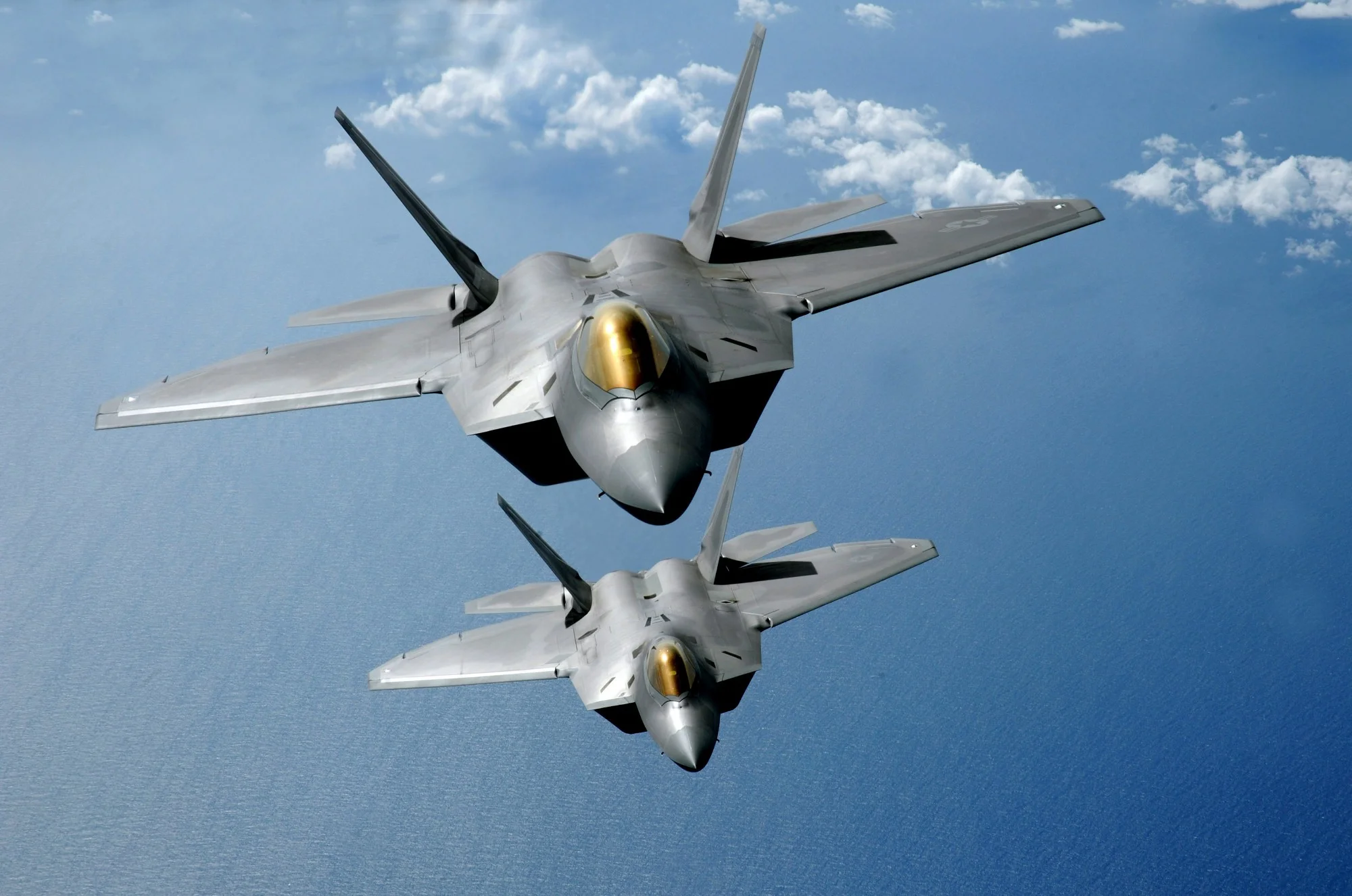
The decision to stop production of arguably the world’s greatest flying machine elicits impassioned opinions on both sides of the argument. Raptor supporters argue that the Air Force is significantly weaker than it should be because of the limited number of F-22s, while supporters of Secretary Gates’ decision argue the cancellation of the line allowed the investment of billions of dollars in equipment that saved countless lives in the wars in Iraq and Afghanistan.
Reading WarBooks & Strategy: A Summary
In the end, a static list cannot capture the depth and breadth of the WarBooks, not least because we hope to see the WarBooks continue to grow and evolve just as we and the other contributors to it will. But pausing periodically to reflect on the list and consider the wisdom in it is important…if only to help one to choose the next book destined for our shelf.
#Monday Musings: Robert Behrman
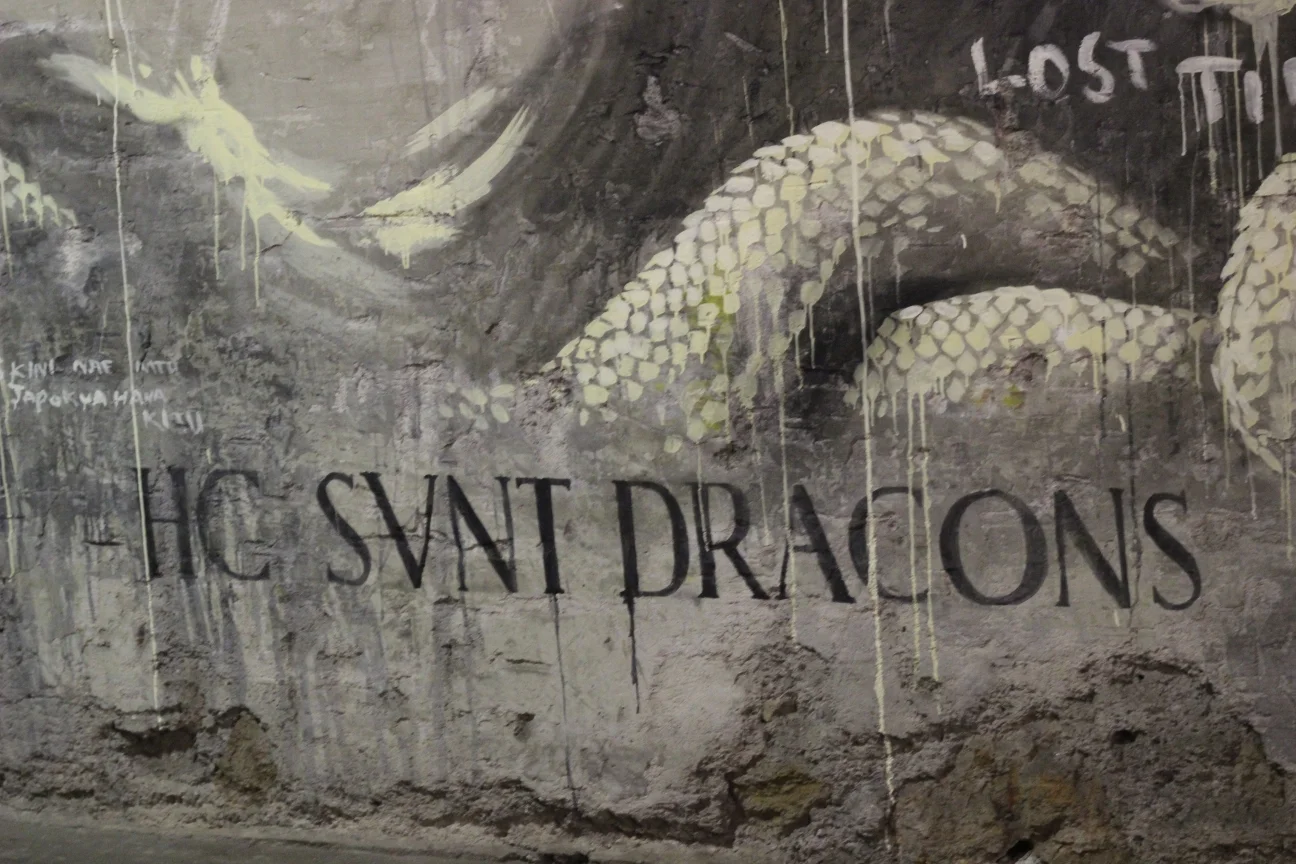
Hic Sunt Dracones: ISIS and the Law of Lawless Places
The Perils of Inaction
For centuries, Rome was a seat of power in the Western world. Even during a millennium when her roads represented the best means of transportation and communication, the Eternal City had political gravitas. Popes wielded enormous political power; all roads did lead to Rome. Today, whether we want for them to or not, all roads lead to Washington.
#Reviewing The Future of Land Warfare
“Fatigued by Iraq and Afghanistan, rightly impressed by the capabilities of U.S. special forces, transfixed by the arrival of new technologies such as drones, and increasingly preoccupied with rising China and its military progress in domains ranging from space to missile force to maritime operations, the American strategic community has largely turned away from thinking about ground combat.”
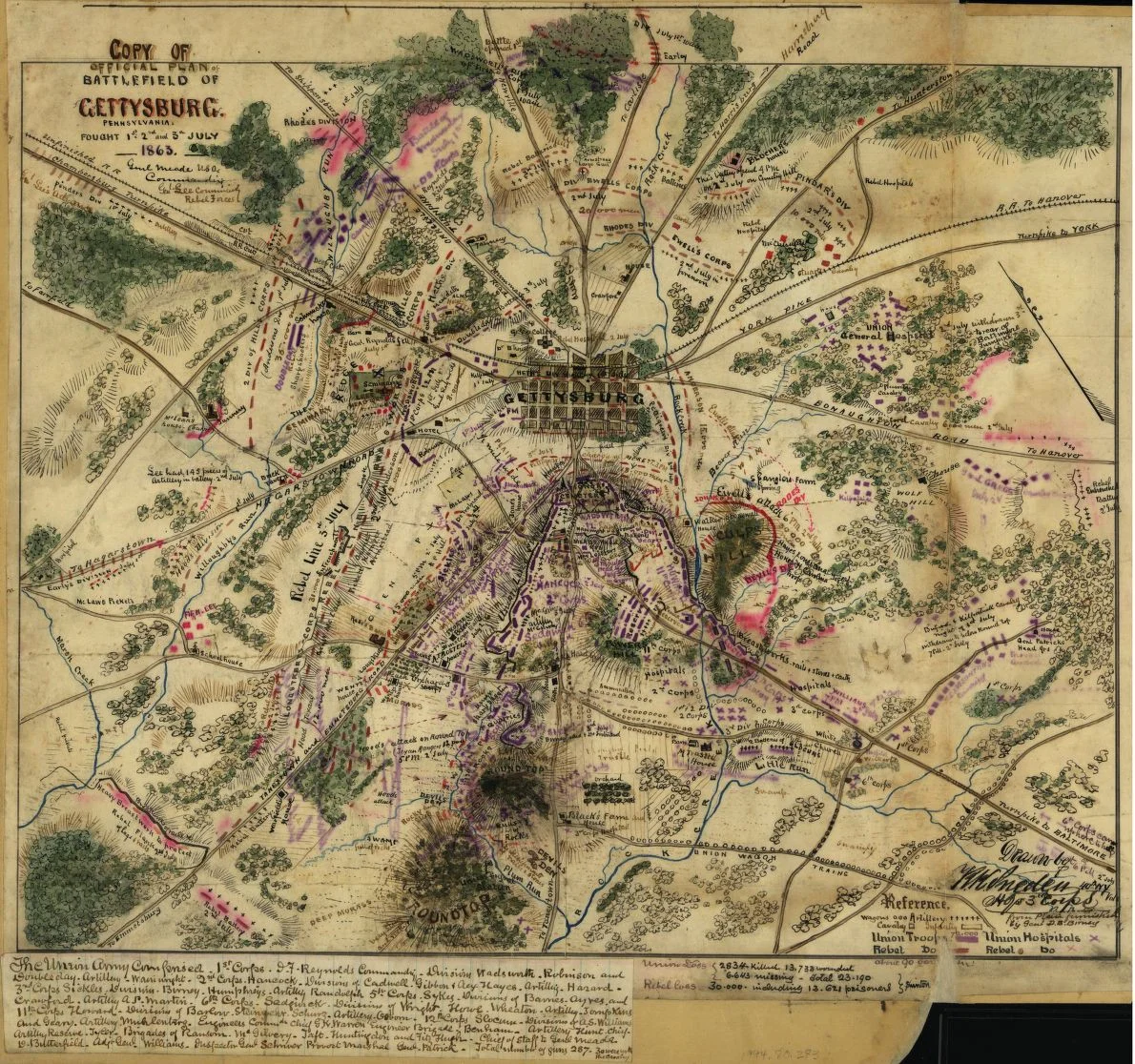
Leadership Lessons from Gettysburg
Military leadership comes in all different forms. It can be embodied in the leadership of troops on a battlefield, or it can occur behind the scenes in moments no less important. The Army defines leadership as influencing people by providing purpose, direction, and motivation to improve the organization and accomplish the mission. These bland, doctrinal terms are best brought to life in the form of historical vignettes, a valuable tool for teaching the process of leadership.
#Monday Musings: Jason Criss Howk
Seven Charts That Help Explain American War
#Reviewing Globalization and the 21st Century
The new century is full of rapid change. It is complex. It is more dangerous than ever before. Such is the conventional wisdom that we hear from political leaders and senior military officers, we read from scholars and policy experts, and is repeated unthinkingly in the media for the benefit of the world. But what is it about the twenty-first century that makes things so different from the past, so much more challenging and threatening?