
Chronic, non-communicable diseases such as cardiovascular disease, cancer, diabetes, asthma, and chronic respiratory disease are responsible for two-thirds of deaths worldwide each year. This staggering death toll of chronic diseases is almost as underappreciated as their security consequences. To promote international peace and security, the U.S. should combat chronic disease at home and abroad through a strategy of prevention in which civilian agencies and the military play instrumental roles.
#Reviewing A Passion for Leadership
Truly visionary leaders challenge the way things have been done. They create unique ways to provide remarkable service, take thoughtful risks, and proactively implement new ideas. They implement change and move the organization forward. While some members of the organization will embrace the change, others will not. To navigate change the leader needs the support of key subordinate leaders in the organization. He or she needs a champion at all levels with the ability to see it through.
Responding to a Sputnik Moment
#Monday Musings: Robert Scales
#Reviewing The Conduct of War, 1789-1961
To get the most out of this book you need to get past the obvious prejudice that Fuller has, undoubtedly colored by his exasperation with the leaders who muddled through World War One and those who sidelined him during World War Two. If you can do this, The Conduct of War is an excellent historical introspection into the character of war and its utility for achieving political advantage.
A Terrorist By Any Other Name
We do ourselves no good by rhetorically boxing in our responses to any sort of crime—whether motivated by a perversion of ideology or money or power. That those who perpetuate criminal enterprise use the infrastructure that powers our daily life necessitates a nuanced response to increasingly complicated criminal enterprises.
#Monday Musings: John T. Kuehn
Civil Aviation in Sub-Saharan Africa: Governance, Security, and Safety Challenges
Sub-Saharan Africa’s civil aviation industry represents a potential bright spot in a region facing several economic challenges...However, regional policymakers, airline carriers, and international aviation regulators must address numerous security, safety, and governance challenges if this potential is to be more fully realized.
#Reviewing The Evolution of Modern Grand Strategic Thought
In an impressive new book, Milevski argues that grand strategy is a conceptual nomad, an idea whose course has been driven solely by immediate historical contingency, with little theoretical grounding or guidance. Over the course of nearly two hundred years, writers on grand strategy have demonstrated a curious case of presentism in their approach to studying and refining the idea. Spurred by the necessity of solving immediate problems, grand strategy has been pushed in one direction after another, whipsawed by the emergence of new contingencies.
Targeting Clausewitzian Judgments: Fusing Precision and Accuracy to Strategy and Tactics
Just as no war can take place without an enemy, there can be no war without targets. Considering the enemy, as a whole, a target, while true, borders on tautology. Instead, we subdivide the enemy into many individual parts against which we act. However, selecting these targets requires accurate strategic vision and precise tactical acumen.
#Monday Musings: Stephen B. Slick
The War That is Not: Countering Terrorism at Home
A mission no one wanted…Bringing Bosnian War Criminals to Justice: #Reviewing The Butchers Trail
#Reviewing Allied Master Strategists
The collaboration exhibited in this British-American alliance was essential to both the Americans and British because it gave both an arena for strategic military issues to be discussed below the level of the President and Prime Minister. While this give and take discussion on issues may not rise to the level of master strategists, it definitely positively contributed to the war effort.
The Return of Limited War
Limited war is a topic covered heavily in military discussions since World War II. It is often touted as the diametric opposite of total war, where a nation or society dedicates all of their resources to defeat an enemy. However, the world has changed, and so has limited war. In the modern era, combat systems from ships to planes have become so expensive that they are pushing states to a form of limited war that has not been the norm since before Napoleon. It is these financial costs, more so than the toll in lives, that will dictate future warfare.
#Monday Musings: William Inboden
People, Posture, and Processes: U.S. Army Sustainment Options for the Joint Force in the Pacific
In the midst of unassuming jobs where sustainers pack the next container full of munitions, distribute fuel, police the streets, feed the force and perform an immeasurable amount of other invaluable support tasks—the importance of their craft often gets lost in the fog of plans and policy at the national level.
Getting Beyond Ad Hocery: Quickening Transitions in Land Component Headquarters (Part II)
In the future, national decision makers will expect joint land forces to seamlessly transition from dynamic theater shaping to combat operations. Decreased indications and warnings, compressed planning timelines, and austere defense budgets drive planners to consider more adaptive ways of organizing and employing landpower, and the JFLCC construct at both theater and joint operations area echelons presents viable options to do just that.
#Reviewing 21st Century Knox
This book and its distillation of ideas and thinking that came from Knox’s “50 years before the mast” during a time period during which Knox had a front row seat as the U.S. Navy changed from a small, relatively weak force into one with truly global responsibilities and missions, is an essential read for all naval officers.
The Spanish Threat
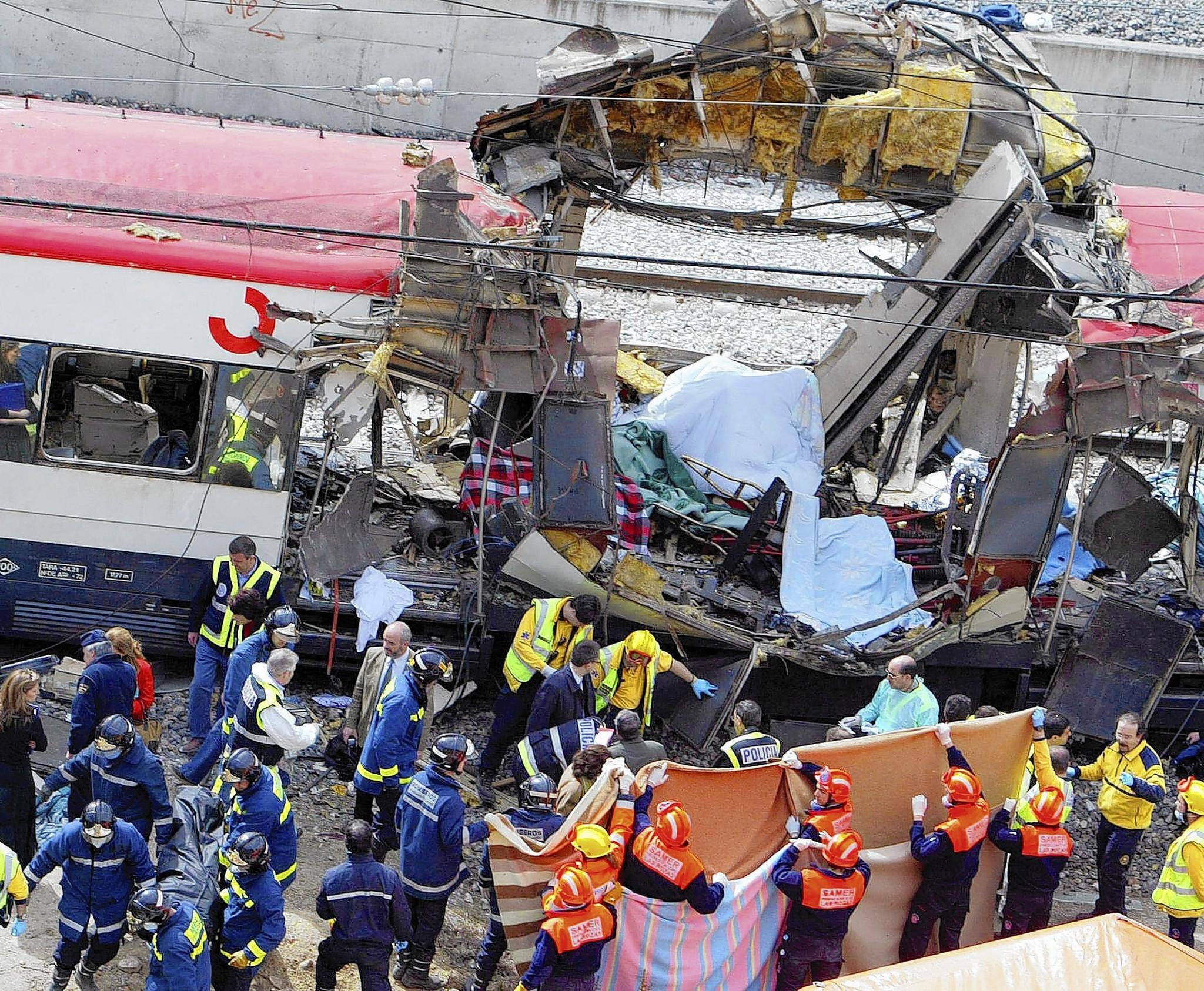
For now, Spain has been lucky. Many of those arrested have been suspected of supporting terrorists rather than plotting their own attacks. The number of arrests by Spanish authorities may indicate they are getting more proficient at identifying and apprehending the threat. However, it would be unwise to believe that is the only case. That a major attack has not happened in Spain since 2004 does not mean there will not be another.