"Monday Musings” are designed to get quick, insightful thoughts based around three questions from those interested in strategy, from the most experienced and lauded, to our newest thinkers/writers.

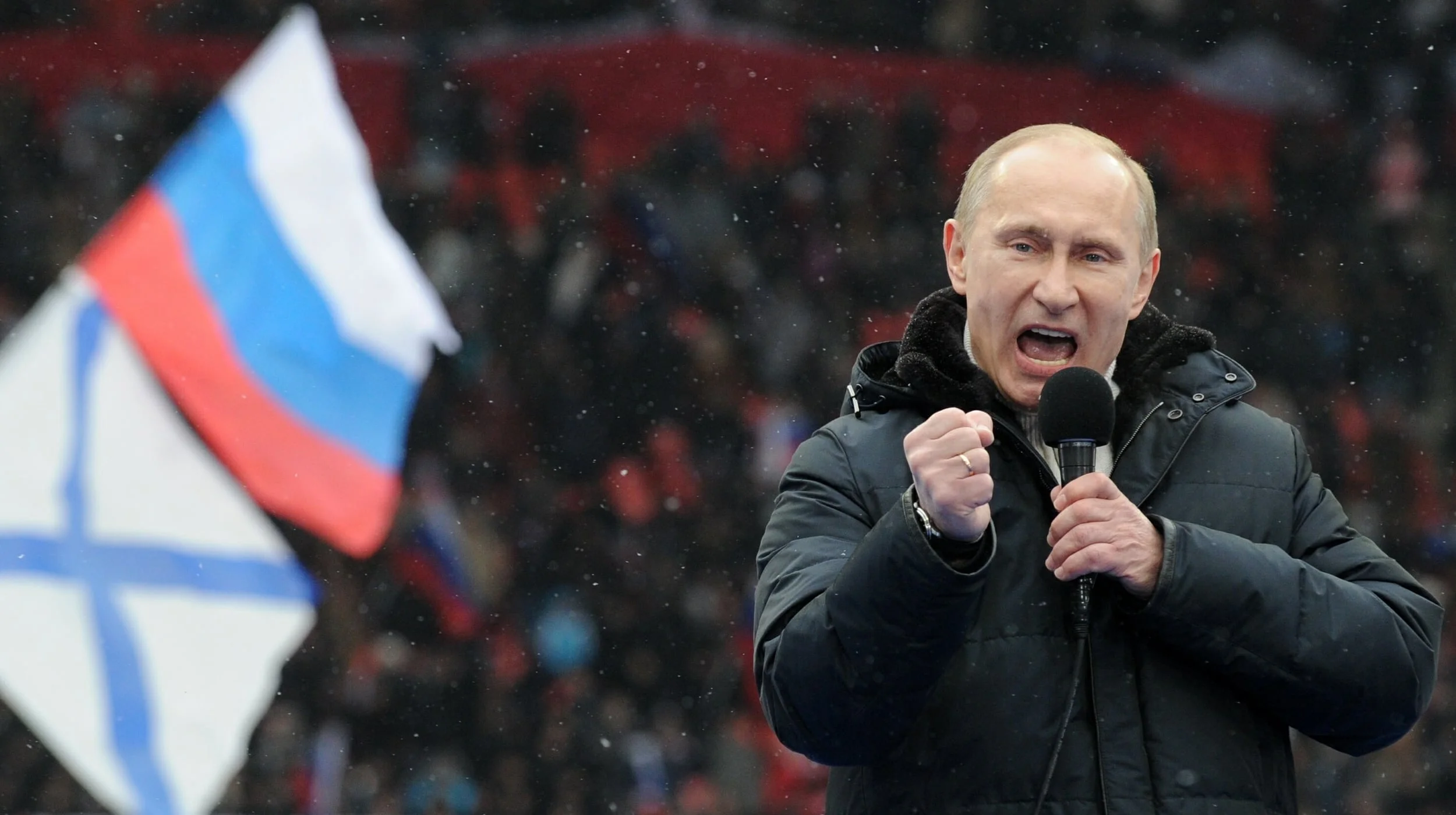
President Putin made three foundational assumptions in launching his war against Ukraine that should have been correct but were not. First, Putin assumed the invasion of Ukraine would be a quick and easy fight. Second, he assumed the world would denounce the invasion but tacitly allow it. Third, Putin assumed the war would deter NATO expansion.
The alternative to a good theory of causality is not the lack of a theory of causality, but a poor or ill-considered theory of causality. Unfortunately, such a theory of causality has made it remarkably difficult for airmen to explain and advance what air, space, and cyberspace do for the joint community and national objectives. We’ve spent the last decade disrupting threat networks from the air, but without the language of causality, we’ve analytically relegated these actions to the realm of support instead of claiming the mantle of airpower. A water-thin theory of causality leaves us all scrambling for the prize real estate on the “tip of the spear,” while a better theories of causality allows us to appreciate how the diversity of airmen’s contributions actually complement each other.
Brand matters. Whether you’re talking about Apple computers, Breitling watches, or Coca-Cola products, how a brand is perceived is important. It creates value. And the higher the perceived value, the more revenue the brand generates. So why should it be any different for you? Shouldn’t your personal leader brand be synonymous with quality performance? Don’t you want your name to be first on a senior leader’s mind for career opportunities and assignments? Don’t you want to be perceived as someone who adds value to any leadership team? Yet most of us overlook our leader brand. We take it for granted. If – and that’s a strong if – we even consider our brand. Because, to be completely honest, most of us don’t.
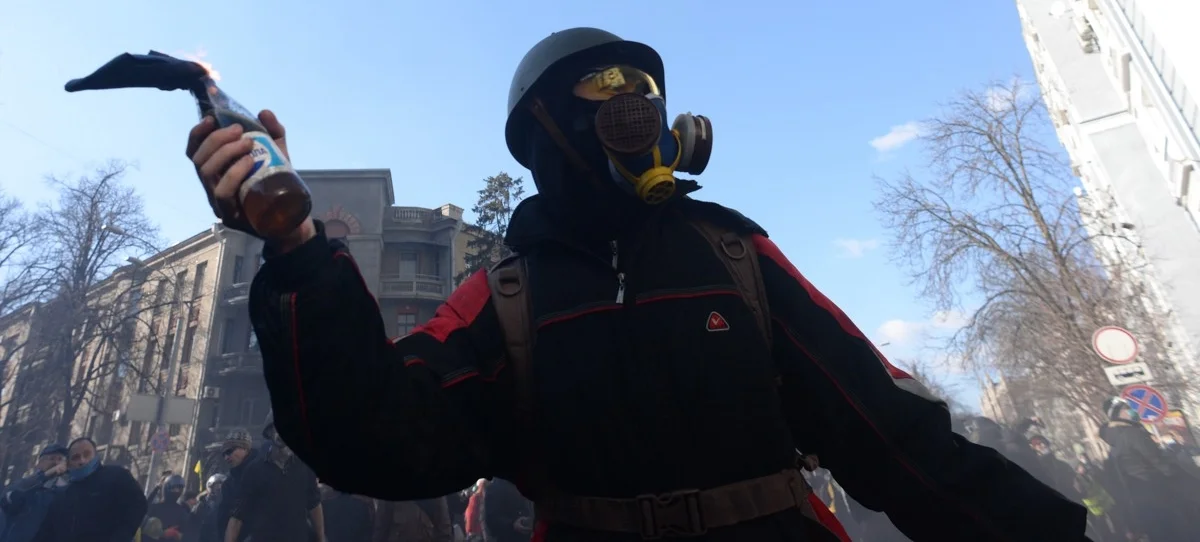
The Molotov cocktail is one of the most visible icons of civil resistance in the modern age. Whether it is on the streets of Kyiv, Athens, or the latest site of any G20 meeting, the Molotov cocktail is one of the variables modern media will seize on to determine whether a mass demonstration is a protest or a riot. The image of fires burning and bottles being hurled through the air are eye-catching because they are asymmetric, providing average civilians with potent lethality to challenge even the most heavily-armed riot police.
China is often credited with taking the long view to achieve its strategic goals; however, that luxury may be coming to an end. There is an oft-quoted story about former Chinese Premier Zhou Enlai, who, when asked about the effects of the French Revolution on China, demonstrated the Chinese long view by answering, “It is too soon to tell.” U.S. strategists...have watched China slowly grow in power, both militarily and economically, over the last few decades with an arguable long-term goal of displacing the U.S. as the dominant global power...China has remained in the shadows of global security, rarely venturing out to address even regional challenges, hoping their gradual, long term, hegemonic rise would become a fait accompli. That hope may now be at risk.
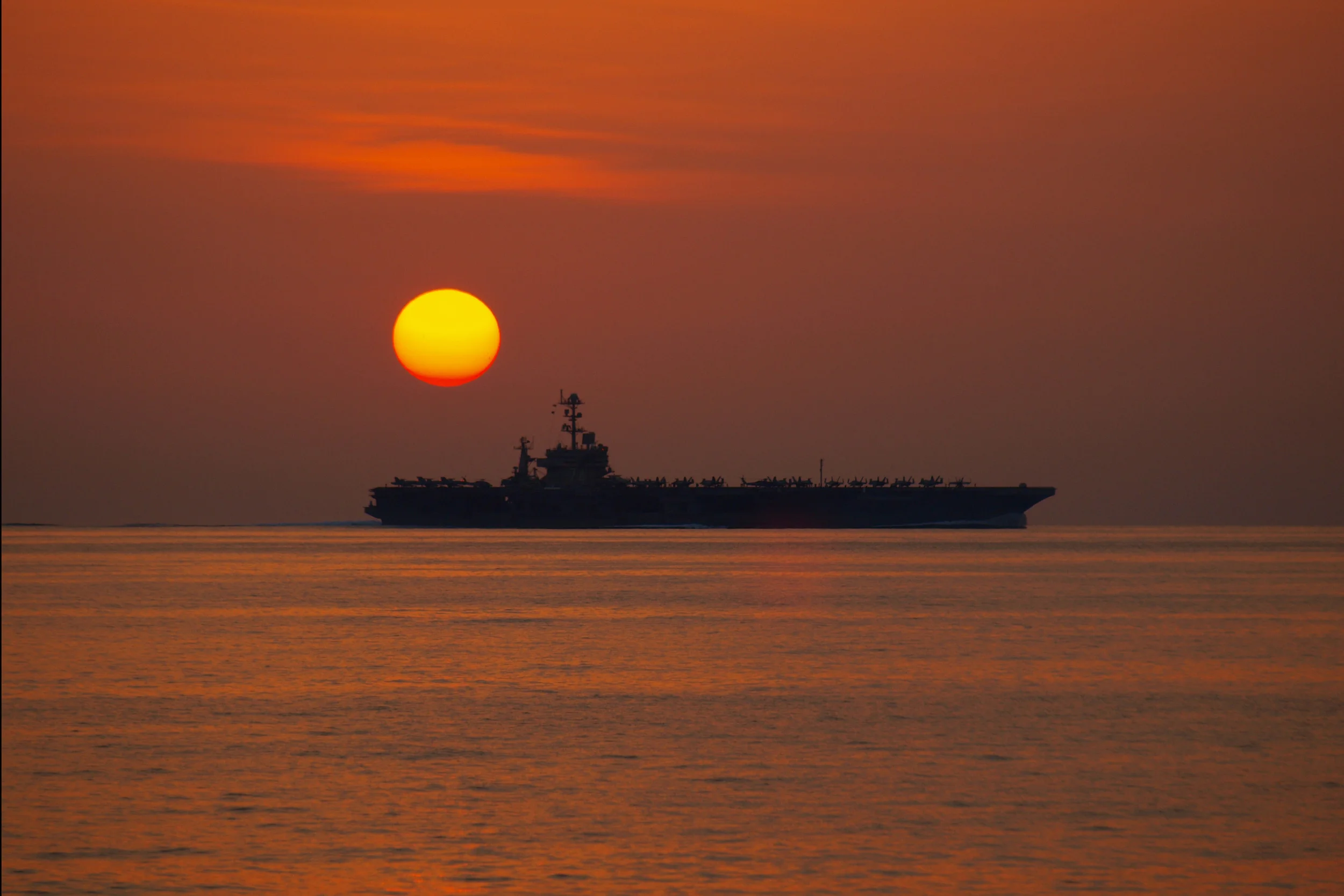
The strategic mind of the navalist is on full display in the latest Wheel Book from the U.S. Naval Institute. Naval Strategy, edited by Thomas J. Cutler, is paired well with the earlier installment, Naval Tactics by Captain Wayne P. Hughes Jr., USN (Ret.). Cutler’s volume, however, is the meatier one as it includes articles by Admiral J.C. Wylie, Sam Tangredi, Milan Vego, Samuel Huntington, Sir Julian Corbett and Admiral James Stavridis, amongst others. The essays by Wylie and Corbett are themselves worth the price of admission.
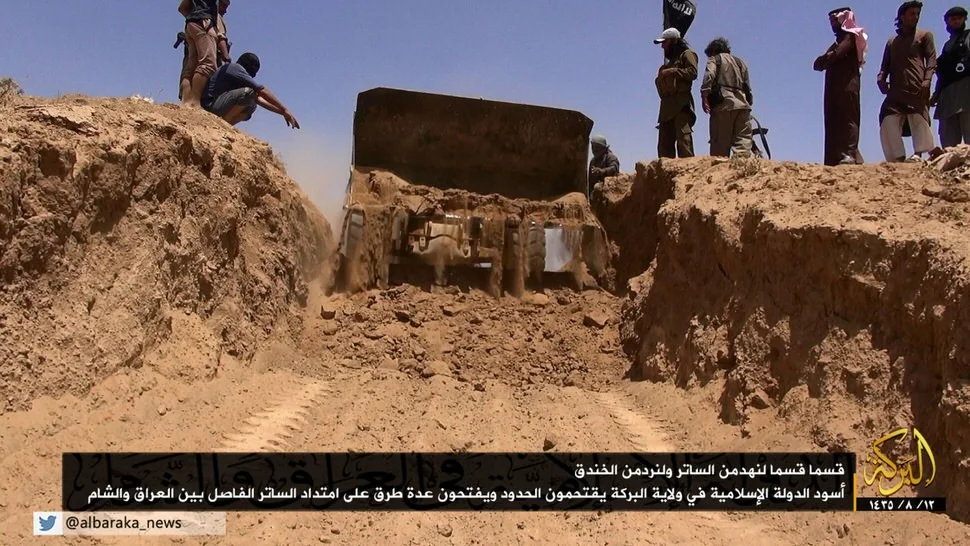
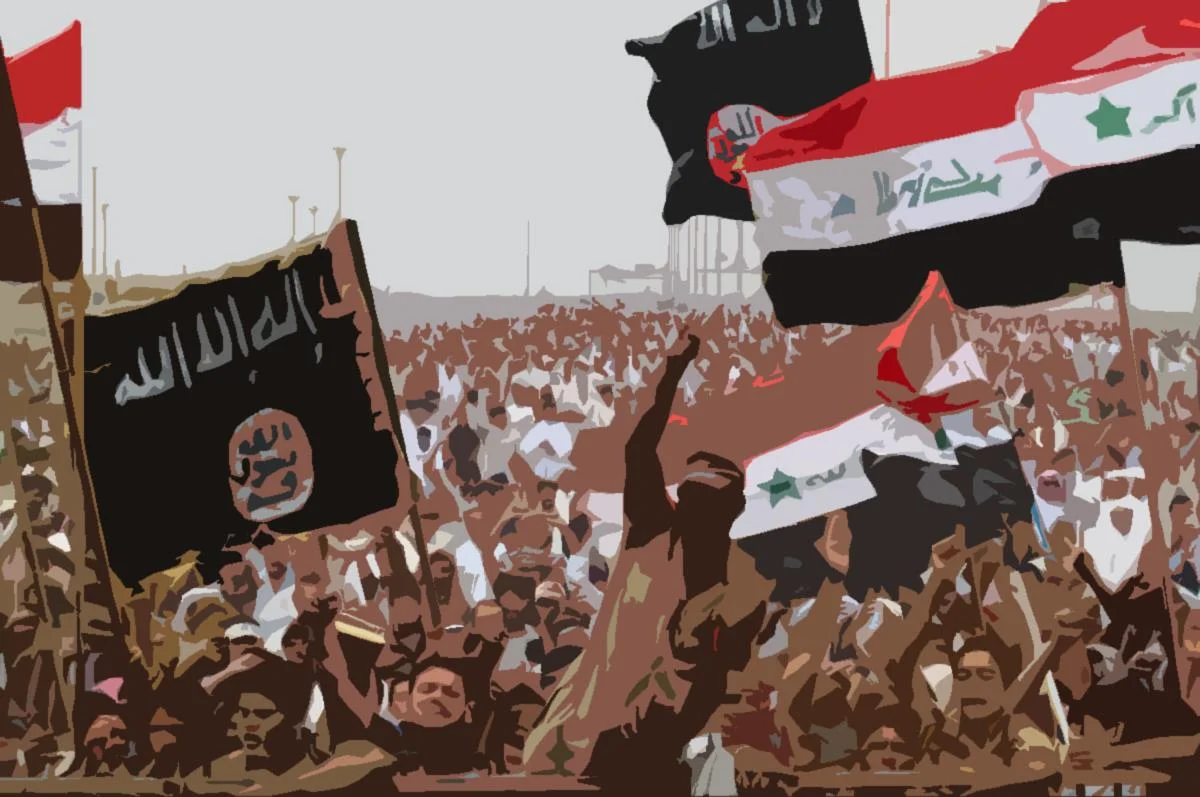
The violence occurring in the Middle East is the result of a revisionist movement, namely the Islamic State of Iraq and Syria (ISIS), which seeks to conquer the greater region and expand its caliphate. A group that knows no geographical boundaries, its rapid rise is a symptom of what is widely regarded as the post-Westphalian trend the world has taken. Further, the volatility accompanying years of sectarian division has only been exacerbated by western involvement in the region, a century-old pattern of attempts to dictate the direction of governance dating back to World War I.
The West needs a new plan for curbing violence and increasing stability and prosperity in the Middle East. We have decades of experience from which we can learn in order to map out more effective future strategies. This article details a new 5-point plan for promoting peace, prosperity, and stability in the Middle East.The West needs a new plan for curbing violence and increasing stability and prosperity in the Middle East. We have decades of experience from which we can learn in order to map out more effective future strategies. This article details a new 5-point plan for promoting peace, prosperity, and stability in the Middle East.
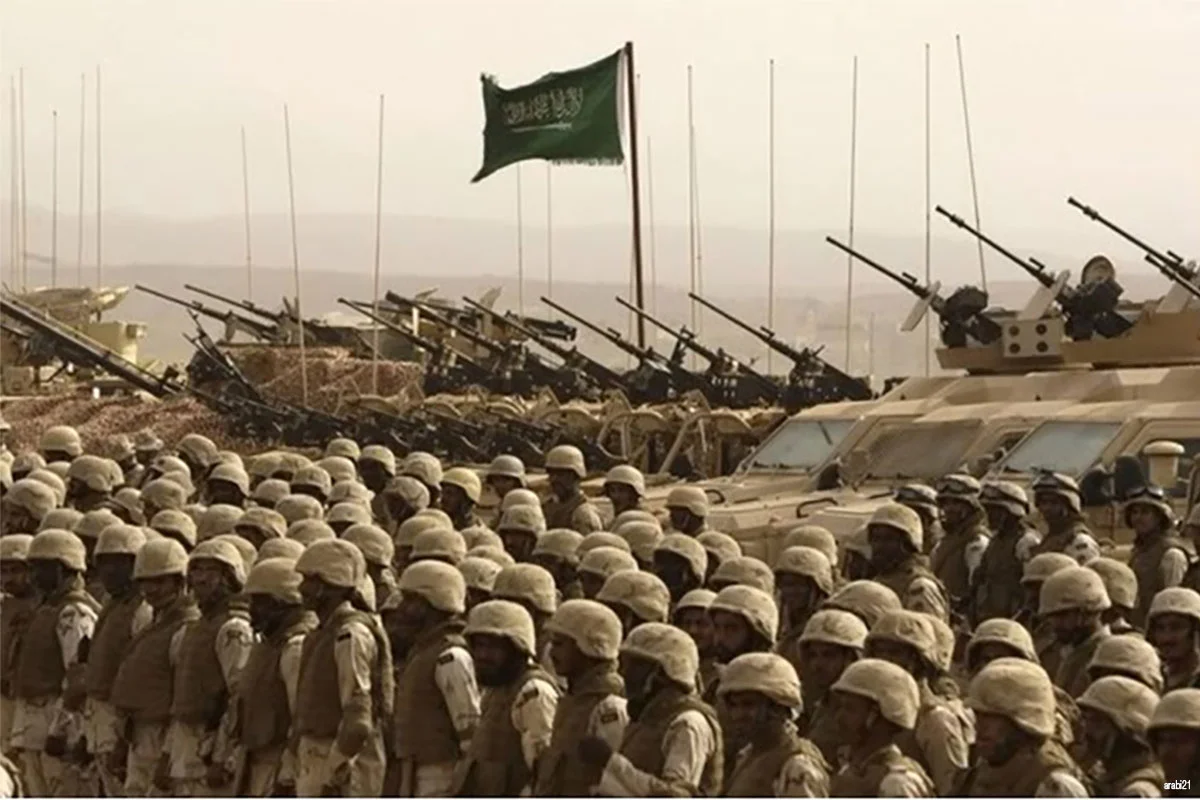
The United States’ favorite “ally without portfolio,” Saudi Arabia, reacted coolly to recent news of the US-Iranian nuclear deal, with a combination of official tepid praise and private indignation. Many wondered at the time what the long term fallout from the deal might be and it looks like Saudi Arabia is finally giving the world their answer: they aren’t giving up on wrecking the deal just yet.
Top military leaders instruct officers to attend more closely to the tangled connections between a military unit's actions, its armed adversaries, and the sociopolitical landscape on which conflicts unfold. Insofar as these causal connections elude military professionals, armed interventions will tend to induce unwelcome consequences and, thereby, strategic discontent. Educators can help. The skilled integration of political science in the classroom provides a way for educators to squarely address these leaders’ concerns. But we first have to rethink fundamentals. Namely, what does military expertise and advice entail?
Few, if any students or practitioners of strategy can argue the importance of Admiral Alfred Thayer Mahan’s influence on sea power theory, as well as his impact on the American military institution as a whole. As with any theorist, however, we tend to examine his body of work, and to look at the factors that shaped who he was as a strategist and a mariner. Most works only give a cursory glance at the things that influenced Mahan’s character across all facets of his life. In God and Sea Power, author Suzanne Geissler goes beyond that, following the closely-interwoven relationship between Mahan’s faith and his work as a sailor, leader, and strategist.
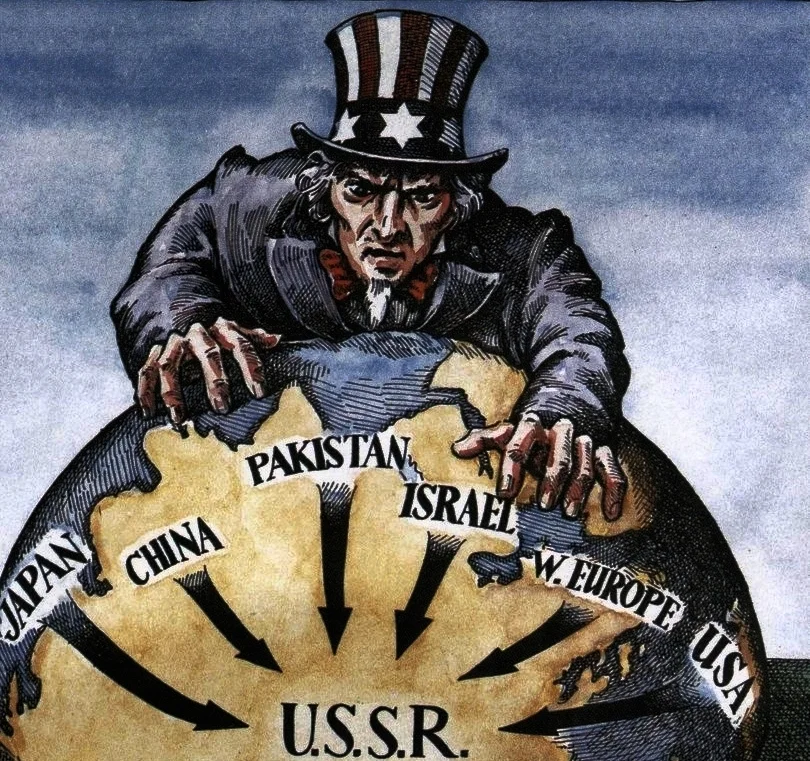
Russia’s President, Vladimir Putin, governs over the largest landmass on earth, the world’s 2nd largest nuclear arsenal, and over 140 million people. Putin has been criticized as being cold, calculating, and autocratic. He has taken offensive measures in Crimea and Georgia, aggravating European leaders and resuscitating Cold War nostalgia and fear. Furthermore, Putin vehemently refuses to concede to rebel forces in Syria, despite President Bashar al Assad’s wartime atrocities and his illicit use of chemical weapons. While many argue these acts are evidence of Putin’s ruthlessness, they also reveal calculated and strategic foresight.
The Islamic State group (ISIS) is running up against a wall. As national coalitions take a larger role in the fight against ISIS, the group will become increasingly unable to operate on as large a scale as it has in years past, and it will be pushed out of its previously held territories – its decline may take years or even decades, but it will ultimately decline. But although ISIS may deplete its resources and feel increasing pressure from the international community, its members will not simply disappear as the group loses momentum.
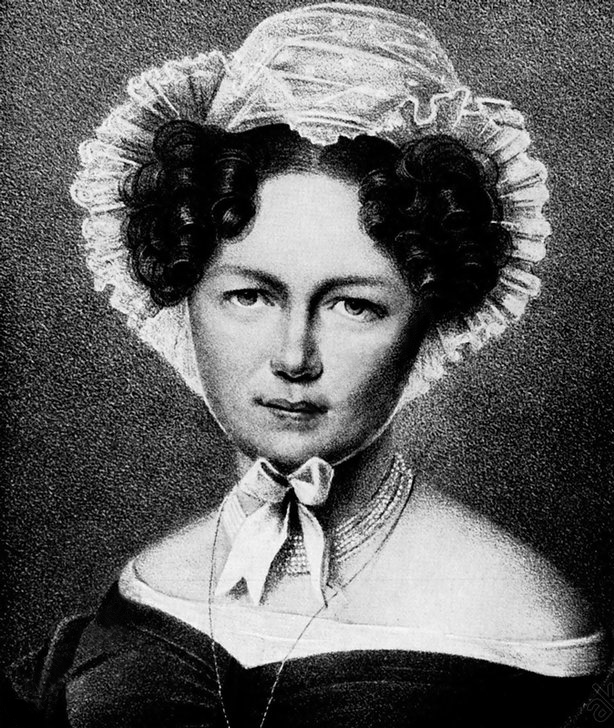
I first got interested in Clausewitz while living in Germany. It was a time of heated debates on whether US should have invaded Iraq. I think I bought my first copy of On War in German around 2005. Then during my graduate work, Clausewitz was again a big part of the discussions and I started reading it once again. This time, however, I was also interested in Clausewitz, the man and soldier, and so I stumbled upon the whole story about Marie editing On War. None had written anything in depth on the subject and I thought this might be something I could study.
Carl von Clausewitz is known today as the West’s most influential military thinker. His seminal treatise On War lies at the heart of modern military doctrine. One recent article even compared its status among U.S. officers to that of St. Paul’s letters among Christians...The newly discovered complete correspondence between Carl and Marie von Clausewitz offers invaluable clues about the military theorist’s times, personal life, and writing habits. And, finally, they shed some light on Carl as the person and writer, instead of just the theorist.