The Treaty of Paris: Negotiating from Weakness

The Treaty of Paris:  Negotiating from Weakness

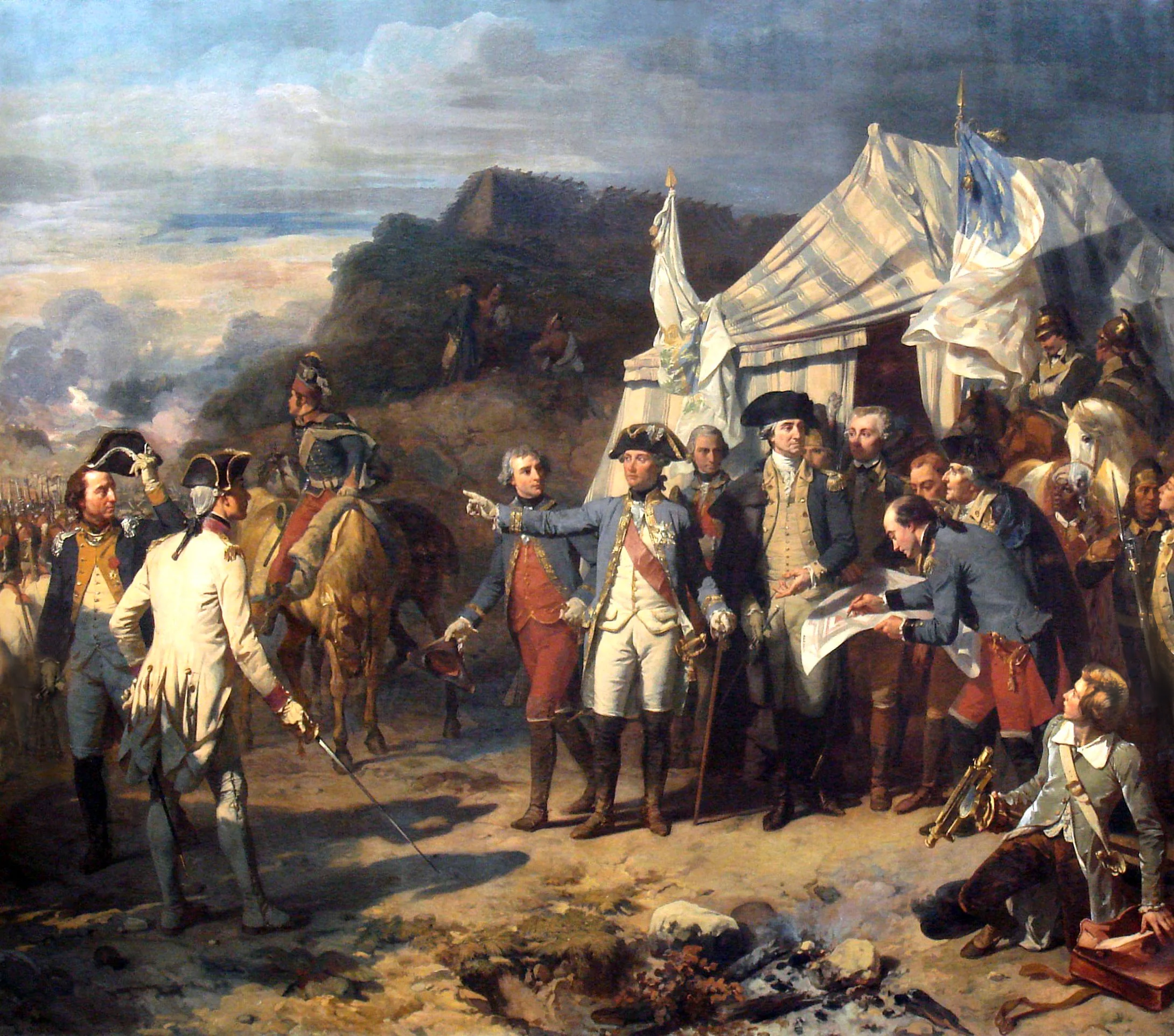
September 3rd will mark 232 years since the end of the American Revolutionary War, with the signing of the Treaty of Paris. While this treaty was a monumental step for the new United States, it also laid the groundwork for future international strife and set the priorities for the new nation.

LtGen Sir Graeme Lamb (Ret) and the Iranian Nuclear Agreement

LtGen Sir Graeme Lamb (Ret) and the Iranian Nuclear Agreement

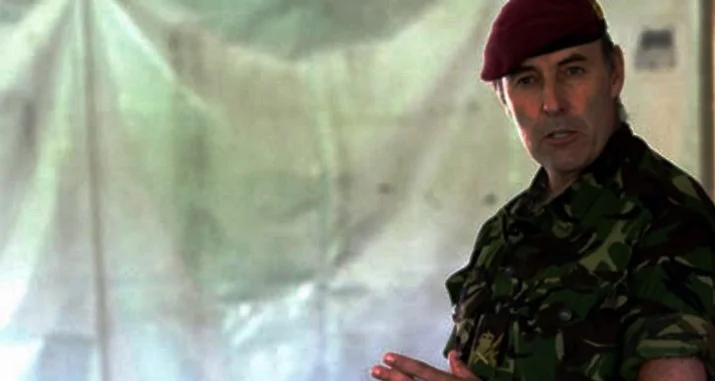
Following the announcement of the Iranian Nuclear Agreement Lieutenant General (Retired, U.K. Army) Sir Graeme Lamb was interviewed by Jason Criss Howk, a former colleague that had assisted him during the creation and international acceptance of the Afghan Reconciliation and Peace Program. The interview was conducted via email from 15–16 July 2015.

The Army Looks to the Future

The Army Looks to the Future

The Chief of Staff of the Army released the results of a study which was designed to determine how the Army can best achieve “success in battle” in the future. I was able to obtain a copy of this report and want to share it here. The Chief convened a group of the best military brains available because he understands that “wars are still fought on little bits of bloody earth, and they are ended when the enemy’s will to resist is broken, and armed men stand victorious on his home soil.”

#Reviewing The Air Force Way of War

#Reviewing The Air Force Way of War

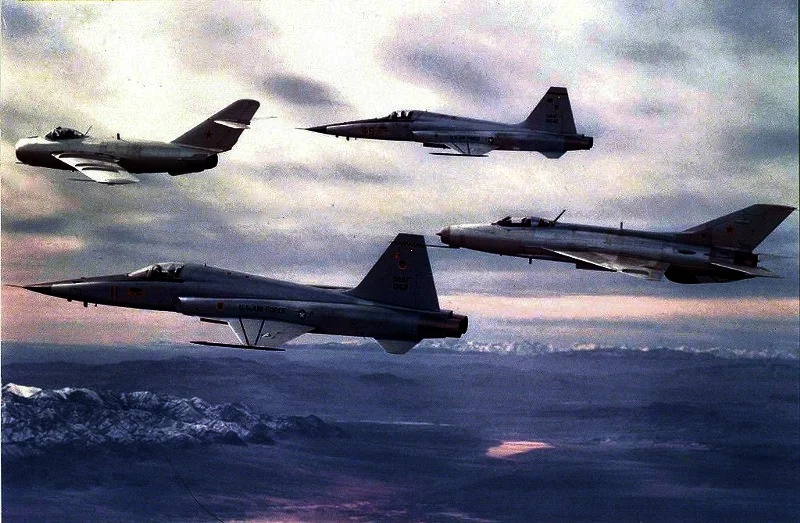
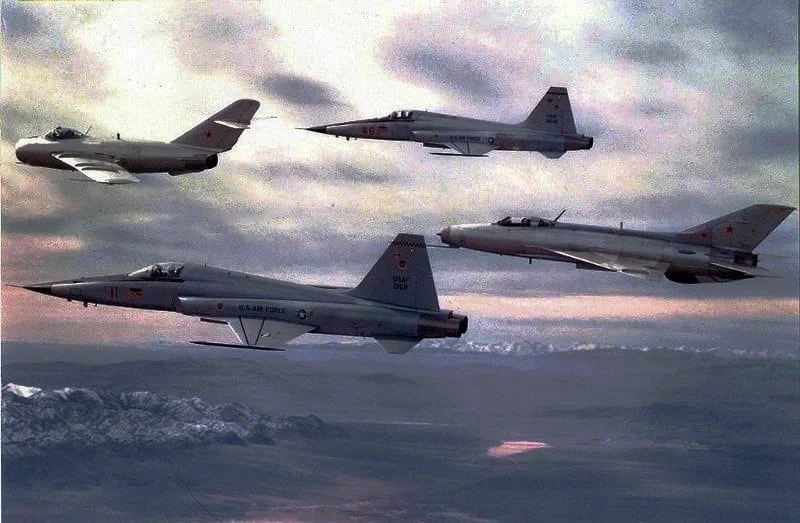
Much has been written about the transformation of the United States Air Force between the Vietnam War and Operation DESERT STORM. In his classic book Sierra Hotel, C.R. Anderegg documented the revolution in training that occurred at the Fighter Weapons School at Nellis Air Force Base during this era, led by the so-called “Fighter Mafia” of Air Force legends such as John Jumper, Ron Keys and Moody Suter. Steve Davies opened the door to the secret MiG program known as “Constant Peg” that occurred during the same time period in his book Red Eagles, while former Red Eagles Squadron Commander Gail “Evil” Peck gave his unique perspective on this historically significant squadron in his book America’s Secret MiG Squadron.

Stuck in the “Frenemy Zone”

Stuck in the “Frenemy Zone”

Many scholars, such as Noam Chomsky, have asserted that understanding the way we use language is important, as words shape the way we conceptualize, communicate, and act. Therefore, it is prudent to define the key term up front. After a brief search, I was very surprised to find a formal definition of frenemy in the Oxford English Dictionary as “a person with whom one is friendly, despite a fundamental dislike or rivalry; a person who combines the characteristics of a friend and an enemy.” I was also quite surprised to find that it was the journalist Walter Winchell who first coined the term in 1953 when he wrote, “Howz about calling the Russians our frenemies?”

A Millennial’s Perspective on the Legacy of Vietnam

A Millennial’s Perspective on the Legacy of Vietnam

The last American combat troops left Vietnam in 1973, twelve years before I was born and 42 years ago as I write this. No millennials, as my generation is called, lived through the Vietnam War. For most of us even the fall of the Berlin Wall and the collapse of the Soviet Union happened too early in our lives to resonate politically. My generation’s perspective on Vietnam is shaped entirely through textbooks and movies. Through those lenses, the Vietnam War seems to be one of the most costly political and strategic blunders in United States history.

#Reviewing No Place to Hide

#Reviewing No Place to Hide

From the first pages of No Place to Hide, I found myself transported back to Iraq. I walked between the rows of sandbags and around the puddles of filth as I made my way through long rows of modular housing units. Eventually I popped out near the courtyard fence, the one that separated the pool area from the palace itself. I shuffled my feet across the wet patio and made my way to the fifty-five gallon drum filled with concrete, mounted at an angle, and pointed the barrel of my empty nine millimeter Beretta pistol into the three inch opening. I pulled back the slide, checked the empty chamber for the one hundredth time, and let it spring back into position. As I made my way into the chow hall to wash my hands again and dry them with something that felt like wet toilet paper, I tried to ignore the dull feeling deep inside.

On Military Advice to Civilians

On Military Advice to Civilians

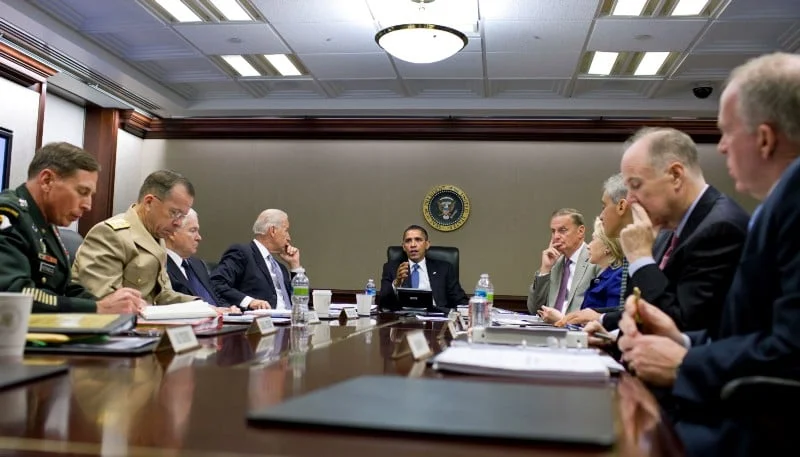
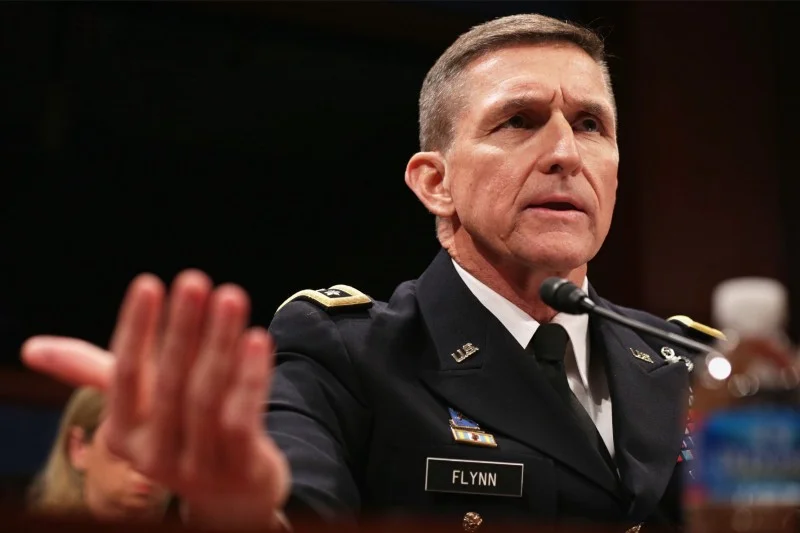
Many great advisers to presidents and prime ministers have come from the military ranks. Many presidents and prime ministers have seemed great in war and peace because they listened to sage military advisers. But military advice is often a thorny topic and more than once in America there has been confusion about this topic. I have seen this first hand on a few occasions and wanted to craft some thoughts on the topic to help elected, appointed, and commissioned senior leaders and those who will stand in their shoes one day.

Nuclear Weapons on their 70th Anniversary

Nuclear Weapons on their 70th Anniversary

In 1945 the world was a dangerous place, and it remains so today. World War II is still noted as the most catastrophic conflict in history — more than 60 million people died, which accounted for 3% of the world’s entire population in 1940. But in the seventy years since atomic bombs were dropped on the Japanese home islands, it has become apparent that ridding the earth of nuclear weapons would be extremely difficult, if not impossible. Our own weapons have served as a deterrent to prevent hostile usage on Americans by a foreign power — their value was proven during the Cuban Missile Crisis in 1962. It isn’t without it’s problems, but overall American nuclear deterrence remains strong today, and it will continue to be used as a pillar of American security strategy into the 21st Century.

Is Russia’s Maritime Strategy Adrift?

Is Russia’s Maritime Strategy Adrift?

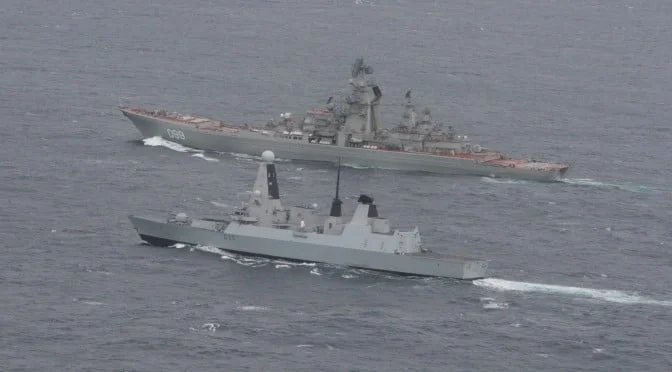
The Russian defense industry has always had a flair for the dramatic. The Soviet military-industrial complex carried so much sway in the Politiburo that at times, it operated with little oversight from the General Secretary. It produced wonder weapons and prestige platforms with little regard for their cost and strategic value. The past few years have seen a resurgence of this mindset.

Perfection, Moral Clarity, and Impossible Expectations

Perfection, Moral Clarity, and Impossible Expectations

I was not yet twenty one, had big metal-band-era hair and acid washed jeans, along with a night job that left a little time for watching cable television, when I met a guy named Wolf Blitzer narrating the opening of what would become the First Gulf War. I have many friends and colleagues who were part of Operation Desert Storm as military personnel; their reflections and recollections are fascinating and much different than mine. In this post remembering the 25th anniversary of Operation Desert Storm, I wanted to reflect on my personal impressions as a college student and civilian, to ask questions about the legacy of this conflict in terms of how civilians now view war, and the implications for the military-civilian culture gap. As a military ethicist now reflecting on those experiences, it is clear to me that this short conflict had profound impact on expectations of current and future conflicts, often in problematic ways that need to be directly addressed moving forward.

#Reviewing The Air Force Way of War: Making the Machine Human

#Reviewing The Air Force Way of War: Making the Machine Human

"“The four-ship of F-15C Eagles raced across the sky at thirty thousand feet. The flight lead, call sign Death-1, focused on his radar, looking for enemy aircraft in the vicinity. He also knew those enemy aircraft were looking for him.”Brian Laslie’s pulse-racing preface to his new book, The Air Force Way of War: U.S. Tactics and Training After Vietnam, grips the reader’s attention right away, bringing this reader back to the excitement and youthful nervousness of flying over the Nellis ranges..."

2026: Operation Iranian Freedom

2026: Operation Iranian Freedom

As I walk through my company’s assembly area, I face the insomnia and nervousness that millions of people have faced throughout history. I wonder if I have done enough to prepare my soldiers. I wonder how my father and my grandfather felt when they stood on this ground decades ago. I worry that I won’t bring credit upon the U.S. Army, my family, my fellow female commanders, and myself. No matter what the party line is, I know the actions taken by women in Operation Iranian Freedom will receive a high level of scrutiny. While I worry about the second and third order effects in this operation, especially the interactions between Iraq’s Sunni Arabs and the Iranian Shi’ia, I know I can only focus on what I can positively control. I can control my actions, I can influence those around me, and I can set a positive example for my soldiers.

Cyber and the National Guard: A Strategic Trust

Cyber and the National Guard: A Strategic Trust

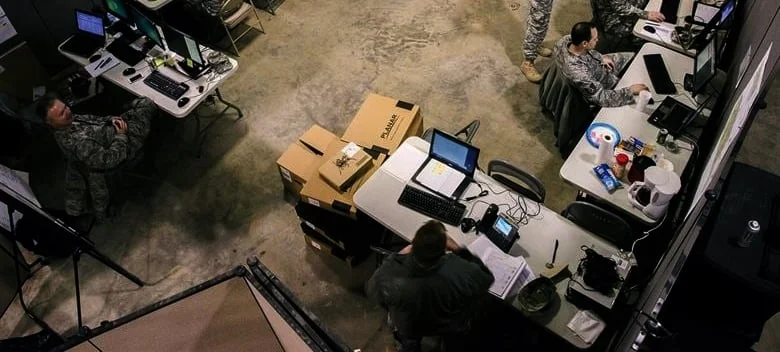
Threat drives technology. This has been the case for the U.S. military for the last 150 years. One could say that forecasting what the next threat will be is actually what drives technology. Two prime examples of this are coastal and air defenses of the United States in the beginning and middle of the 20th century. Now we are facing an ever-developing threat: cyber attacks against our nation’s infrastructure. These are becoming more invasive and dangerous to our national security, given how much a modern military relies on cyberspace for communication and command and control.

The Lessons of Hiroshima and the War Against the Islamic State

The Lessons of Hiroshima and the War Against the Islamic State

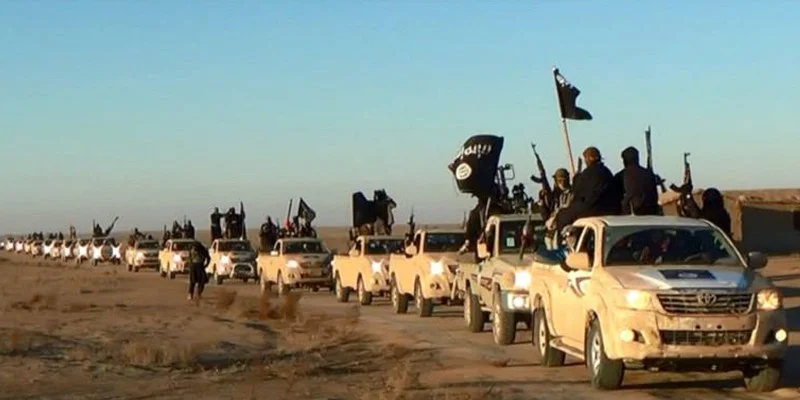
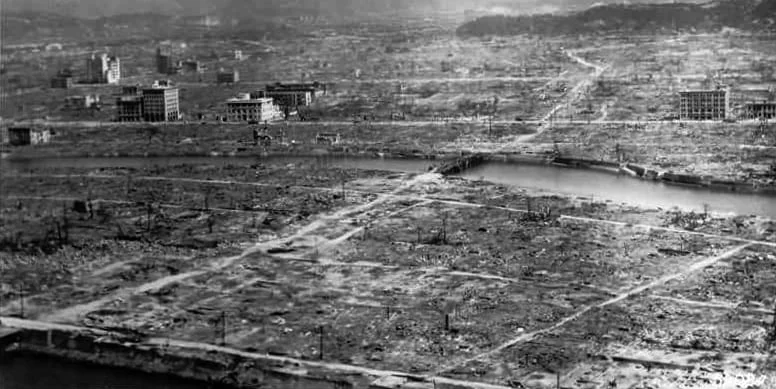
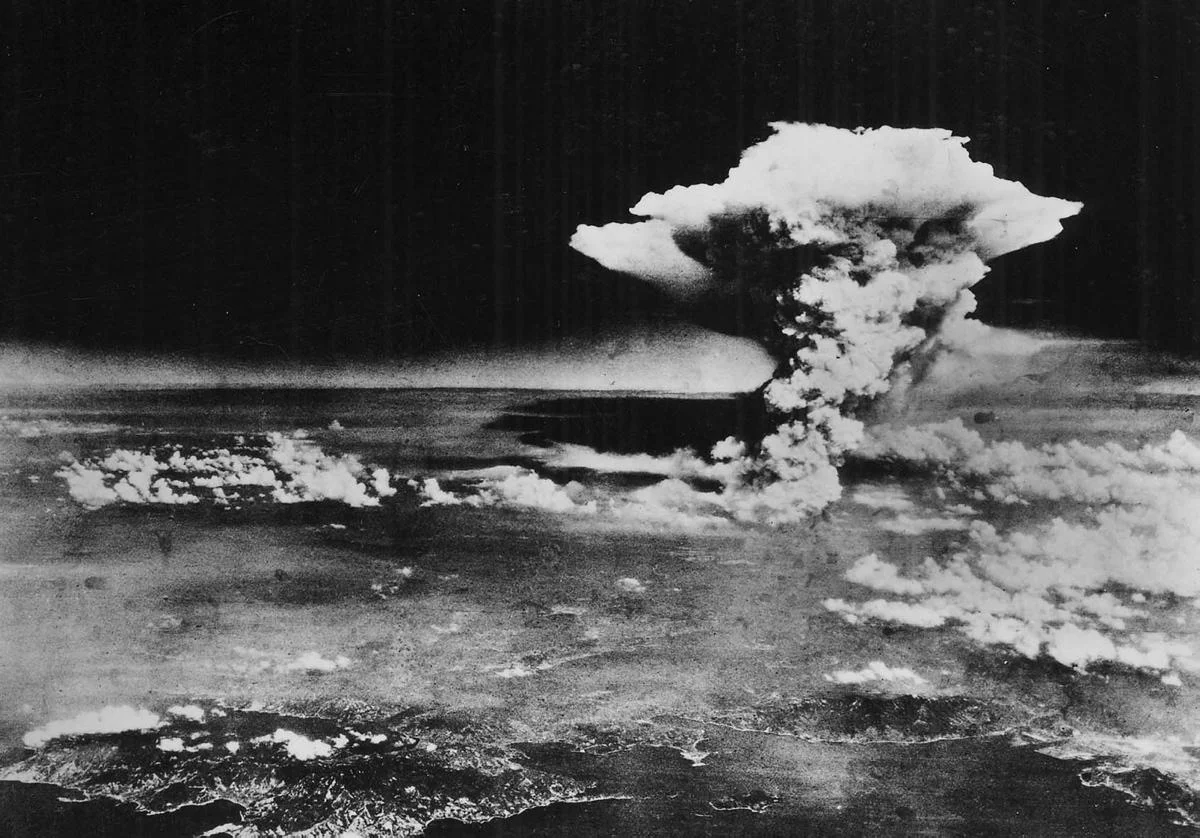
August 6th is the 70th Anniversary of the bombing of Hiroshima with the Atomic Bomb that would lead to the surrender of Japan in World War II. As I consider the historical implications of the bombing, I am drawn to my discussion with my Kodokan Judo instructor, Dr. Sachio Ashida, who fought for the Japanese during World War II and ponder the implications of today’s war against the Islamic State.

#Reviewing From Deep State to Islamic State: War, Peace, and Mafiosi

#Reviewing From Deep State to Islamic State: War, Peace, and Mafiosi

Increasingly, authors are delving into the nebulous connections between autocrats, apparatchiks, and terrorists. Some have a tendency to view these connections as either the continuation of domestic politics or the instrumentalization of radicals in lieu of raising and equipping capable armies. These perspectives are heavily invested in the concept of the state — more invested in that concept than the individuals analyzed. Westerners of diverse backgrounds tend to latch on to simple narratives when seeking to explain what is really a complex and jumbled mess of motivations Misunderstanding the rise of the state security mafias could have significant consequences. Jean-Pierre Filiu has admirably attempted to correct these interpretations.