Pakistan Catch-22: The Trouble With Wars in Landlocked Countries

Pakistan Catch-22: The Trouble With Wars in Landlocked Countries

Lemar Farhad recently wrote on the relationship of the Pakistani government and the Taliban in “Why Peace with the Taliban Is a Bad Idea”. In it he highlighted specific reasons why Pakistan has been aiding the Taliban against the current U.S. and NATO backed government in Afghanistan. This duplicitous stance by the Pakistan government, which is also our ally in the Global War on Terror, makes the goal of actually defeating the Taliban likely unattainable.
The Roots of the Taliban

The Roots of the Taliban

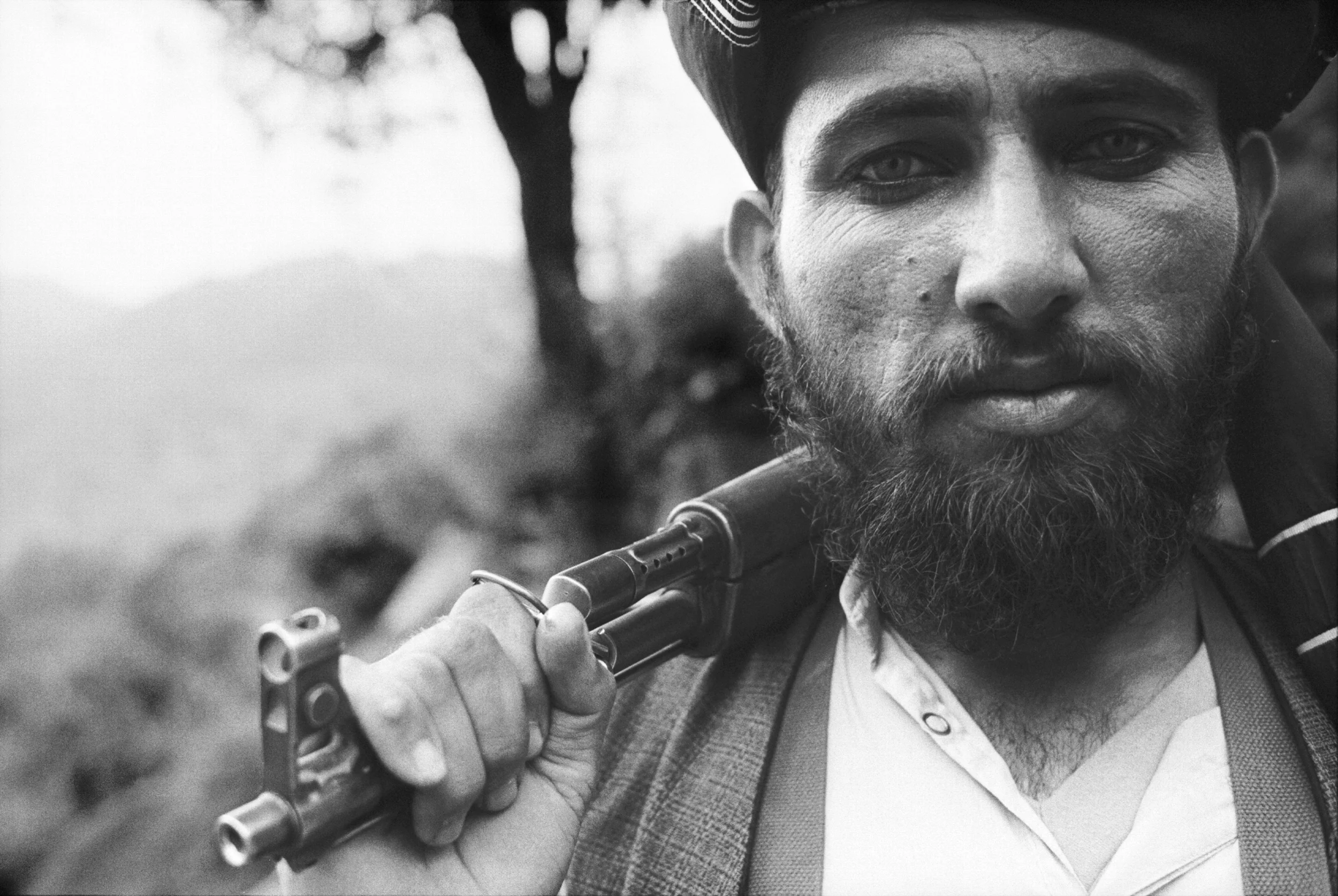
In a recent article for The Bridge, it was proposed that negotiating with the Taliban is not only morally reprehensible but also a fool’s errand as the movement is a proxy force of Pakistan. So long as Pakistan supports the Taliban, it was argued, a conclusion to the War in Afghanistan will remain elusive; the Taliban will be militarily neutralized only when Pakistan removes its support.

The Distraction of Service Biases

The Distraction of Service Biases

The inter-service biases we all hold have a tendency to distract us from seeing the forest for the trees. Carl Forsling’s analysis of the Army Vision reflects his biases in favor of the U.S. Marine Corps. A clear-eyed assessment of both the Army Vision Force 2025 and the Marine’s Expeditionary Force 21 makes it clear that both services’ vision of themselves and the future are actually complementary.

#Reviewing Air Power Abandoned: Longing for More Raptors

#Reviewing Air Power Abandoned: Longing for More Raptors

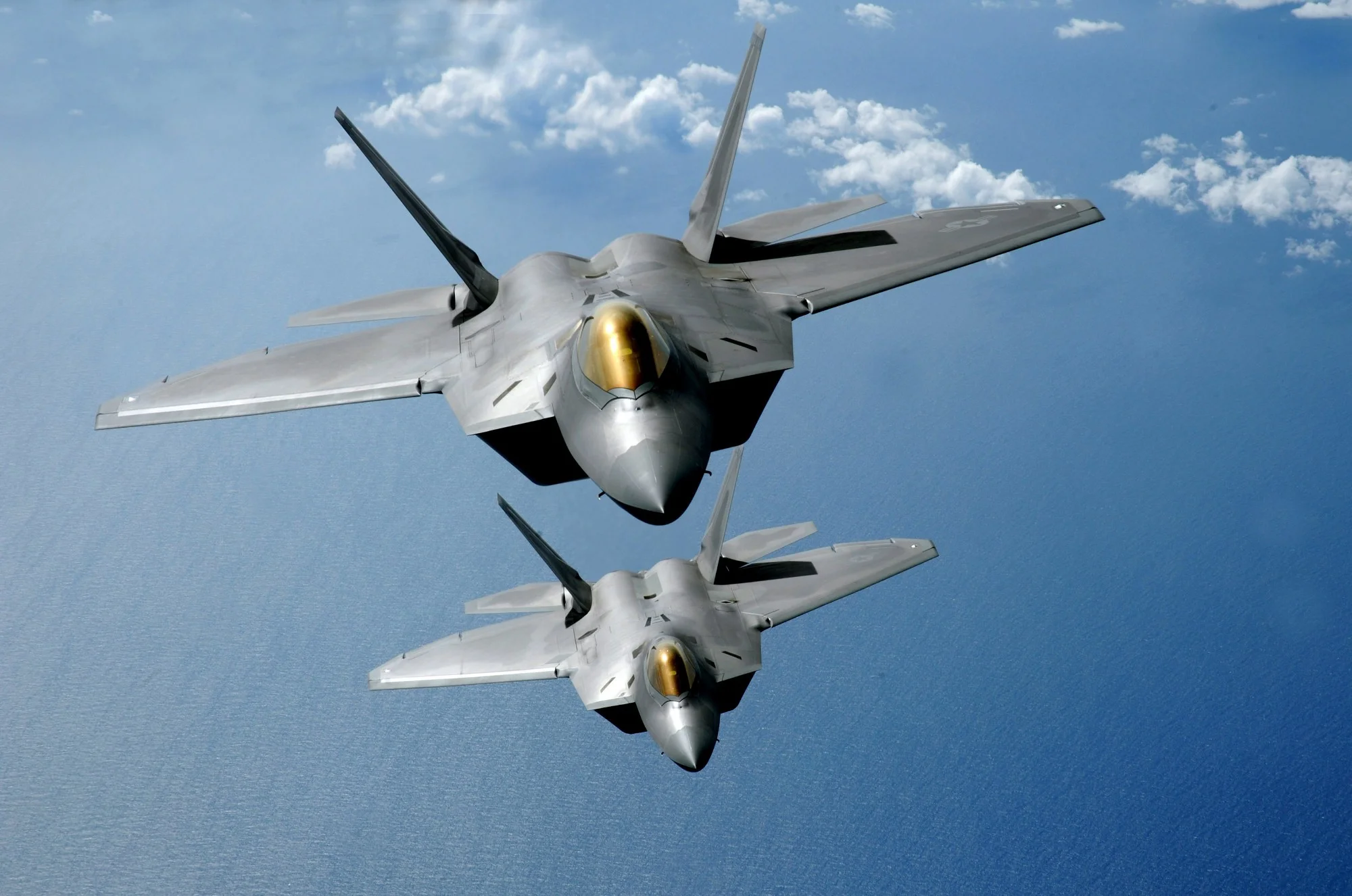
The decision to stop production of arguably the world’s greatest flying machine elicits impassioned opinions on both sides of the argument. Raptor supporters argue that the Air Force is significantly weaker than it should be because of the limited number of F-22s, while supporters of Secretary Gates’ decision argue the cancellation of the line allowed the investment of billions of dollars in equipment that saved countless lives in the wars in Iraq and Afghanistan.

Reading WarBooks & Strategy: A Summary

Reading WarBooks & Strategy: A Summary

In the end, a static list cannot capture the depth and breadth of the WarBooks, not least because we hope to see the WarBooks continue to grow and evolve just as we and the other contributors to it will. But pausing periodically to reflect on the list and consider the wisdom in it is important…if only to help one to choose the next book destined for our shelf.

#Reviewing The Future of Land Warfare

#Reviewing The Future of Land Warfare

“Fatigued by Iraq and Afghanistan, rightly impressed by the capabilities of U.S. special forces, transfixed by the arrival of new technologies such as drones, and increasingly preoccupied with rising China and its military progress in domains ranging from space to missile force to maritime operations, the American strategic community has largely turned away from thinking about ground combat.”

Leadership Lessons from Gettysburg

Leadership Lessons from Gettysburg

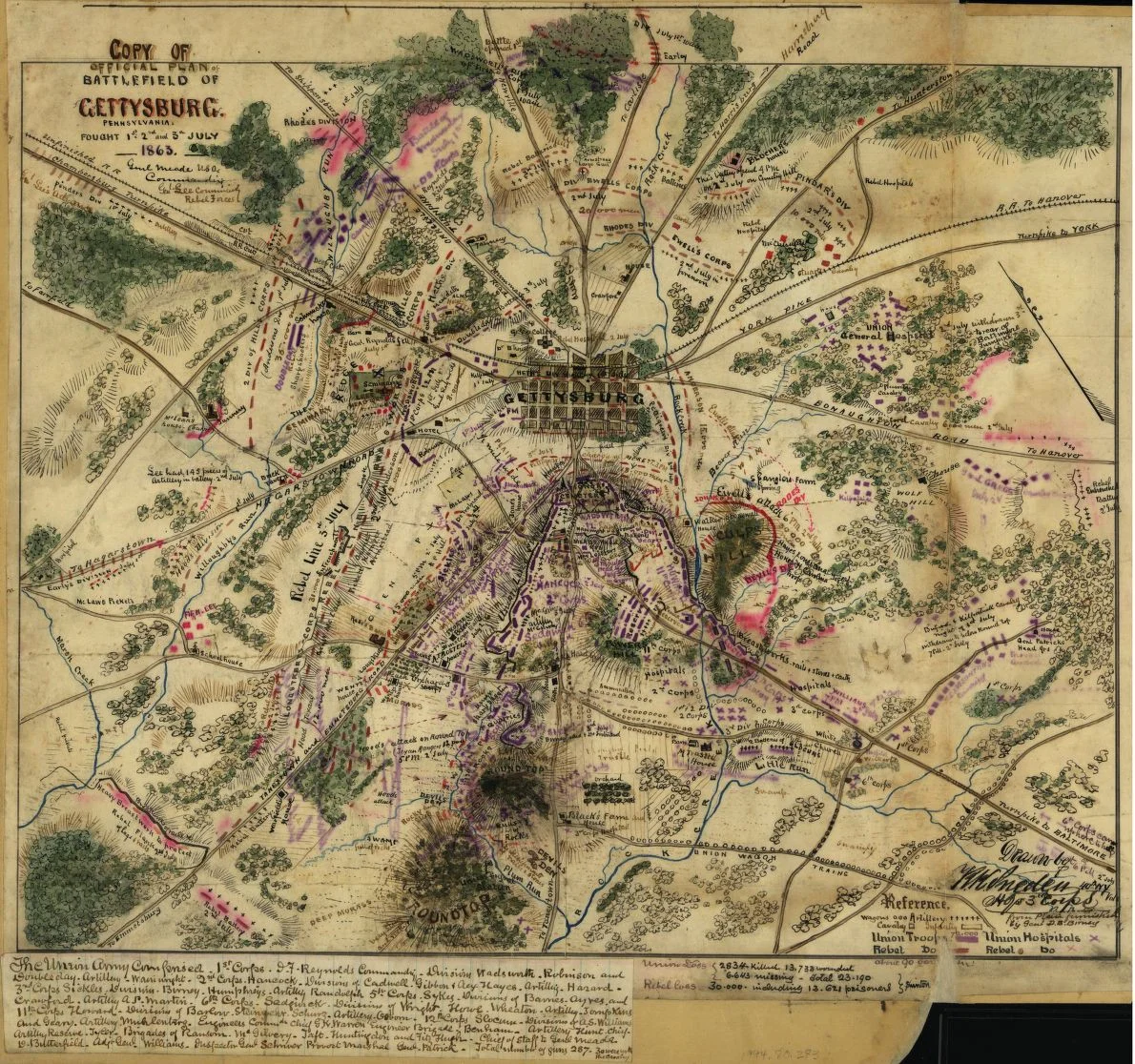
Military leadership comes in all different forms. It can be embodied in the leadership of troops on a battlefield, or it can occur behind the scenes in moments no less important. The Army defines leadership as influencing people by providing purpose, direction, and motivation to improve the organization and accomplish the mission. These bland, doctrinal terms are best brought to life in the form of historical vignettes, a valuable tool for teaching the process of leadership.

#Reviewing Globalization and the 21st Century

#Reviewing Globalization and the 21st Century

The new century is full of rapid change. It is complex. It is more dangerous than ever before. Such is the conventional wisdom that we hear from political leaders and senior military officers, we read from scholars and policy experts, and is repeated unthinkingly in the media for the benefit of the world. But what is it about the twenty-first century that makes things so different from the past, so much more challenging and threatening?

#Reviewing Where Youth and Laughter Go

#Reviewing Where Youth and Laughter Go

Where Youth and Laughter Go is not the first Afghanistan memoir published, nor will it be the last. Yet this tome fills a critical gap in the existing literature by providing the voice of a battalion commander. Memoirs tend to either be written by generals defended by the bulwarks of politics and unnamed staff officers or by front-line soldiers with a powerful but narrow perspective. Marine Lieutenant Colonel Seth Folsom, a battalion commander who patrolled daily with his infantry squads, is uniquely placed to bridge this divide. At the battalion level he operated where ‘theory meets practice,’ an often thankless position with limited room to hide.

The Russian Revolutions of 1905 and 1917

The Russian Revolutions of 1905 and 1917

Aided by brutal defeats and unprecedented loss of life in two wars, the Russian revolutions of 1905 and 1917 were the collective backlash of the masses against the corrupt, incompetent, and uncaring autocracy of the Tsarist Regime which was unable and unwilling to change with the times. Moreover, the revolutions hardly yielded the type of productive and egalitarian change that masses called for. Thus, these revolutions serve as a cautionary tale for both governments and revolutionaries.

Should We Stay or Should We Go? The American Military’s Role in a Post-Unification Korea

Should We Stay or Should We Go? The American Military’s Role in a Post-Unification Korea

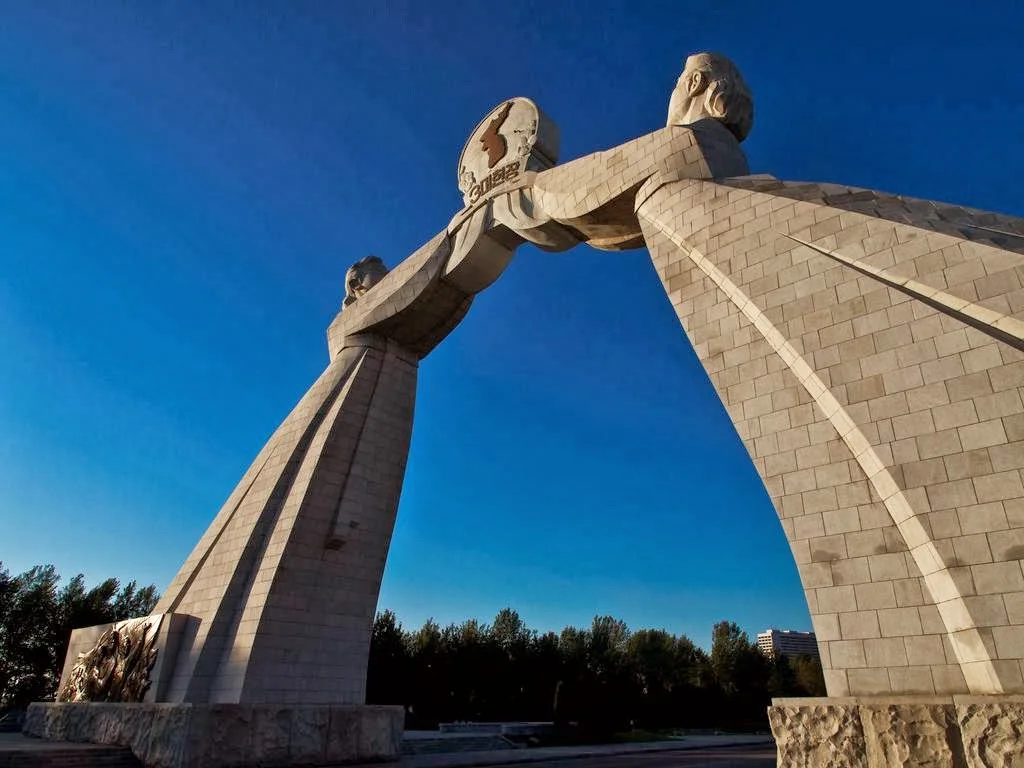
What should the United States do if the Koreas were unified relatively peacefully? Should the military forces remain on the Korean Peninsula post-unification? Would our presence there help to stabilize the region? Or would we be better off by freeing up the 30,000 or so soldiers, sailors, airmen, and marines stationed in Korea and easing the costs of their presence there?