Using storytelling and conversational learning to conduct professional discussions are not new ideas but they are ideas that need to be taught and reinforced in the Army PME courses and by leaders throughout the operational force. Mission command is based on trust, which requires understanding. One of the most effective ways to gain understanding of the capability and competence of one peers, superiors and subordinates is through professional discussion in a learning environment.
Welcome to the Post-Precision World
Landpower is the central element of military power. While other forms of military power — naval, air, space, and cyber — are vital to national security, land is where people live and where decisions happen. Technology has advanced so much and is more lethal than ever, but if we lose sight of the importance of the soldier, or marine, on the ground, we do so at our own risk. Capable land forces never lose sight of the importance of the soldier, and sound strategy never loses sight of the importance of landpower.
#Human: “It’s the Who”
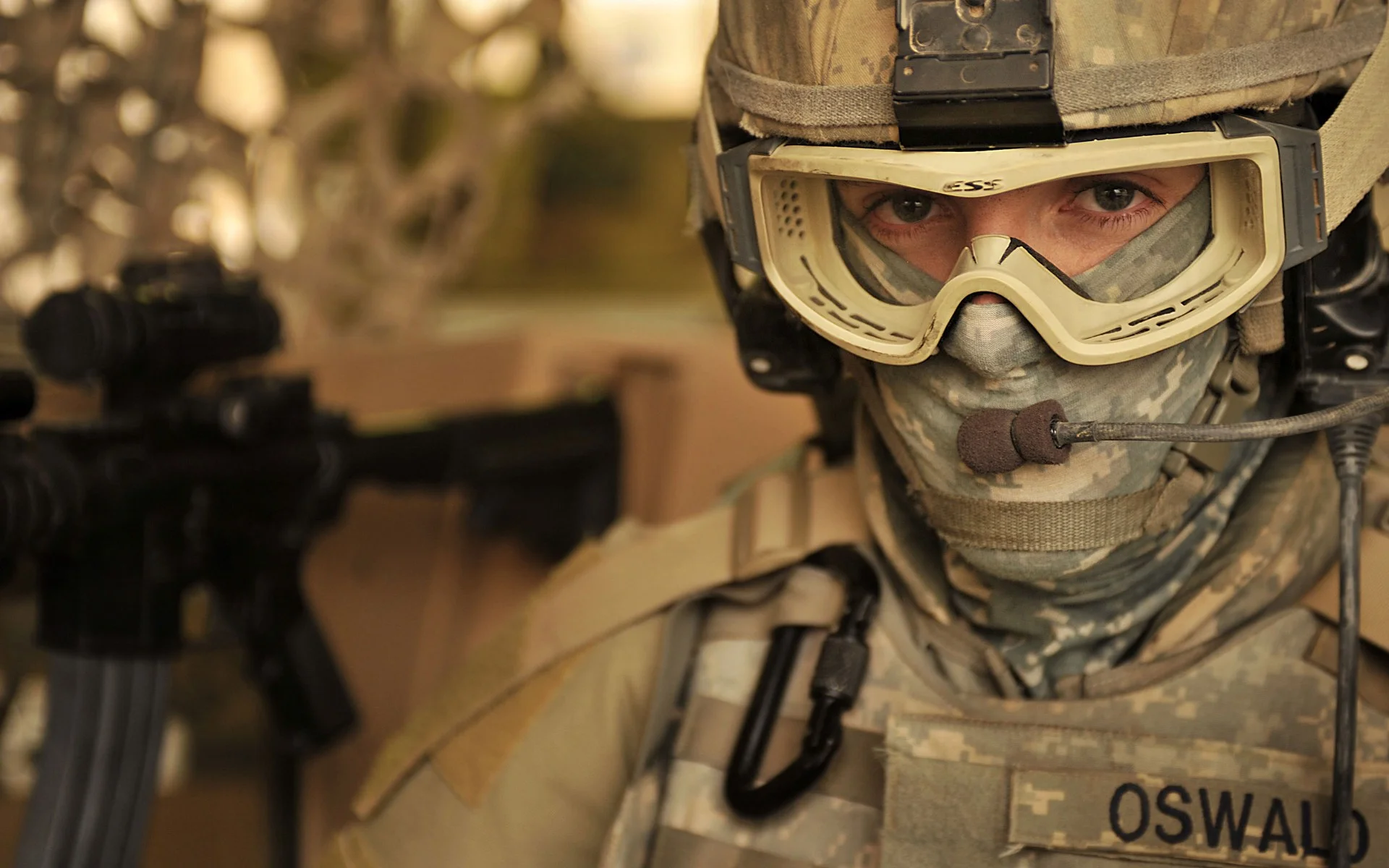
The next major evolution in warfare will not be in the way we fight, nor will it be what war is fought with, rather it will be who is fighting our wars. This evolution in warfare began in World War II when the United States began accepting African Americans into the Army, continued with the acceptance of women into the armed forces, expanded with the highest levels of leadership, and continues today with women in combat units and the end of don’t ask don’t tell. The Army is now presented with the opportunity to make the most of human capital.
The #Human Dimension Paradigm
The Human Dimension White Paper does not represent a paradigm shift, and that is not a bad thing. There are those research papers that propose an answer (argumentative), and those that provide new way to think about a particular problem (analytical). The white paper is the latter, and that has disappointed people. The effort however, is not a failure.
The #Human Dimension White Paper: An Analysis
Army University: The Educational Component of the #Human Dimension
Optimizing the #Human Dimension through Education within the Operational Army
The operational force and its commanders must deliberately integrate education into their leader development programs, complementing the efforts of the institutional Army. To enable this, we must increase our awareness of the existing educational resources, maximize our use of these resources and identify shortcomings to assist our leaders in their efforts. The Human Dimension and human performance will be more important in future operational environments than ever before and education is the key to our success.
The Narrative Dimension of #Humans
The power of the narrative dimension is found in the sense of coherence they provide of how the world is, how people are, and how to respond to disruptions of that worldview. The Human Dimension fails to account for their organizing functions to elicit support for a vision of the future, promote clarity of the discourse between people of different social groupings, or unpack the factors influencing human behavior.
Senior Leadership & the #Human Dimension The Importance of Trust
There are two calls to action in the Human Dimension White Paper. The first is to senior leaders to provide resources for developing our junior leaders. The second is to junior leaders to begin developing their peers and subordinates. These two must happen in conjunction with each other. And that can only occur through clear and open dialogue between all ranks.
Re-grading the Army’s #Human Dimension White Paper
A #Human Response
As the Army looks at itself and asks if it is sufficiently organized and trained to address today’s threats, so too should Congress ask itself whether the laws that define the Department of Defense and its subordinate components are sufficient, as should the White House ensure its foreign policy decisions do not violate the Ranger Handbook’s leadership principle of “Know your unit’s capabilities and limitations, and employ them accordingly.”
#Human Element of Leadership: Preparing Leaders for Any Given Sunday
As a military, we do not have the luxury of planning and practicing for a season that begins on a predetermined date; we do not even know the field we will fight on for our next “any given Sunday.” We do, however, know we will need prepared leaders and cohesive teams for when that day comes. Whether you agree or not with the proposals in this white paper, we cannot afford to be indifferent, because on any given Sunday, leaders will lead their teams to either victory or defeat with millions watching.
The #Human Project: Professional Views on the Army’s Human Dimension White Paper
This series—which will include posts by soldiers, airmen, defense professionals, and other stakeholders in how we develop and manage the people in our military—will address the specifics of the document, as well as tangential topics in the white paper that the authors found pertinent and expanded upon.
Winning the Battle of Legitimacy
In many ways, today’s fight against ISIL is another chapter in the fight that we had against AQ and ISI in 2006–2007. ISIL’s success today is based on a combination of factors that includes ineffective governance, success on the ground, and sophisticated propaganda. Although it does not seem likely that U.S. and its allies will commit ground combat troops to fight ISIL in Iraq, there are things that can be done to help Iraqis defeat ISIL.
Guard #Operating: How the Army National Guard Fits with the AOC
The ARNG is tied to the active force more than any time since the World Wars, and the total force continues to depend on an operational reserve component. ARNG units are embedded with active forces, have commanded active forces, and provide force depth. Most recently, National Guard units were tapped via executive order to participate in supporting operations in West Africa as part of the Ebola response. The ability for the reserve force to relegate readiness to previously acceptable standards is no longer a smart option.
Why ISIS’ Forerunners Lost
Whatever the claims of certain media outlets, the organisation referred to variously as ‘Islamic State in Syria’ (ISIS), or simply ‘Islamic State’ is hardly a new phenomenon in Middle Eastern history. Islam has been beset by violent schismatic and revivalist movements before, some conquering large territories and proclaiming ‘states,’ only to implode under their own internal contradictions or be crushed militarily by more established Muslim rulers. Perhaps the starkest example of this was the very entity originating the uncompromising brand of Sunni fundamentalism espoused by al Qaeda and ISIS, the Wahhabi-Saudi emirate of the eighteenth and early nineteenth centuries, which engaged the established powers in the Middle East in just the kind of ‘generational struggle’ today’s biens pensants say will be needed to defeat ISIS, a struggle having repercussions for the region today. It lost, and many of the reasons why suggest ISIS will lose too.
Ghost in the (#War) Machine
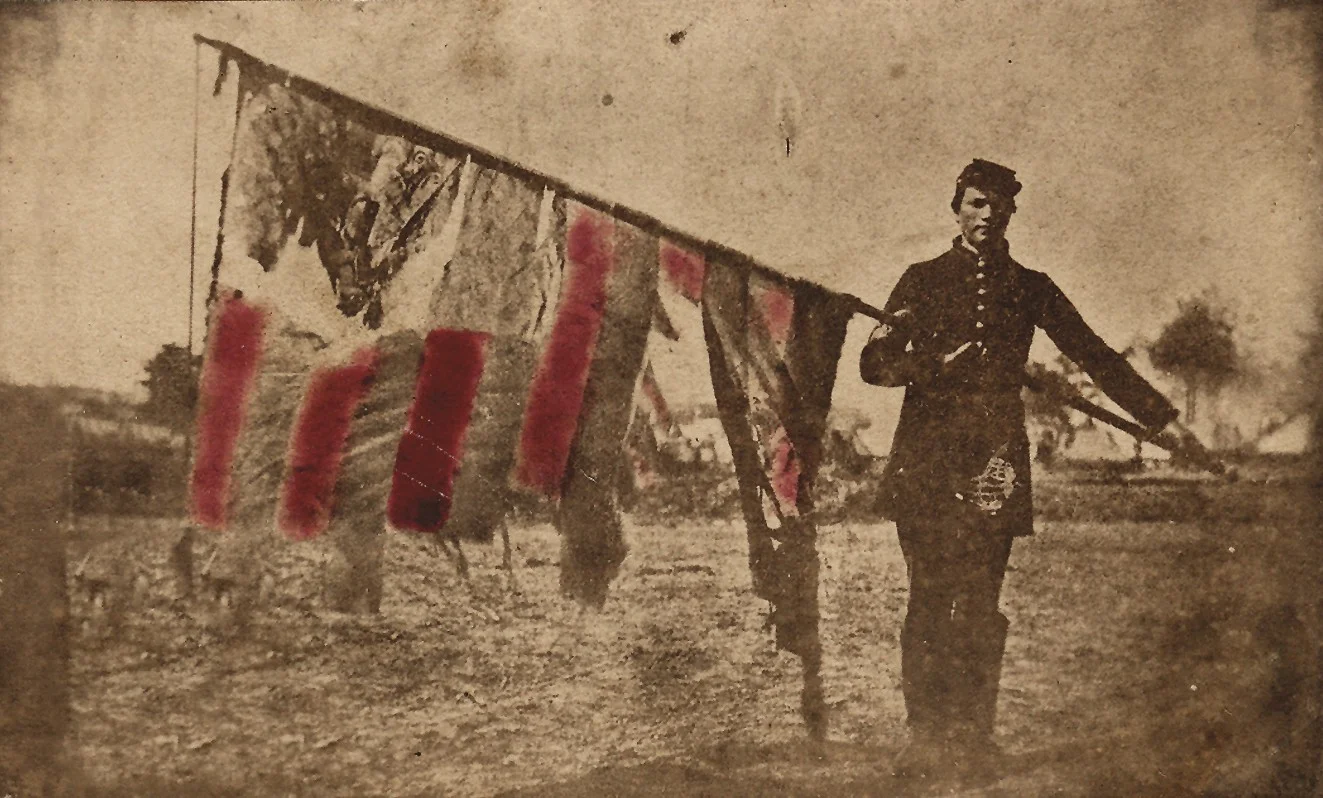
“The dogmas of the quiet past are inadequate to the stormy present. The occasion is piled high with difficulty, and we must rise with the occasion. As our case is new, so we must think anew and act anew.” In 1862, Abraham Lincoln spoke these words to Congress just before issuing the Emancipation Proclamation, which changed the terms of the Civil War and the course of American history. In 2014, similarly inspiring and memorable words have not come from the top, but the war is equally new and difficult in nature, and it demands equally new thinking.
#Talent and Assignments: The Army’s Pentagon Problem
#Operating in a (Fiscally) Constrained Environment: Where the Army Operating Concept Misses the Mark
If Air-Land Battle focused on employment of weapons systems (the “Big Five”) to fight and win outnumbered, the current construct, which recently replaced Unified Land Operations, focuses on soldier, leader, and organizational adaptability to win in a complex world. The document in my mind departs from what this concept should do: describe how the army fights in the future.
The Value in Historical Lessons: Continuing the Discussion on the Value of History in War
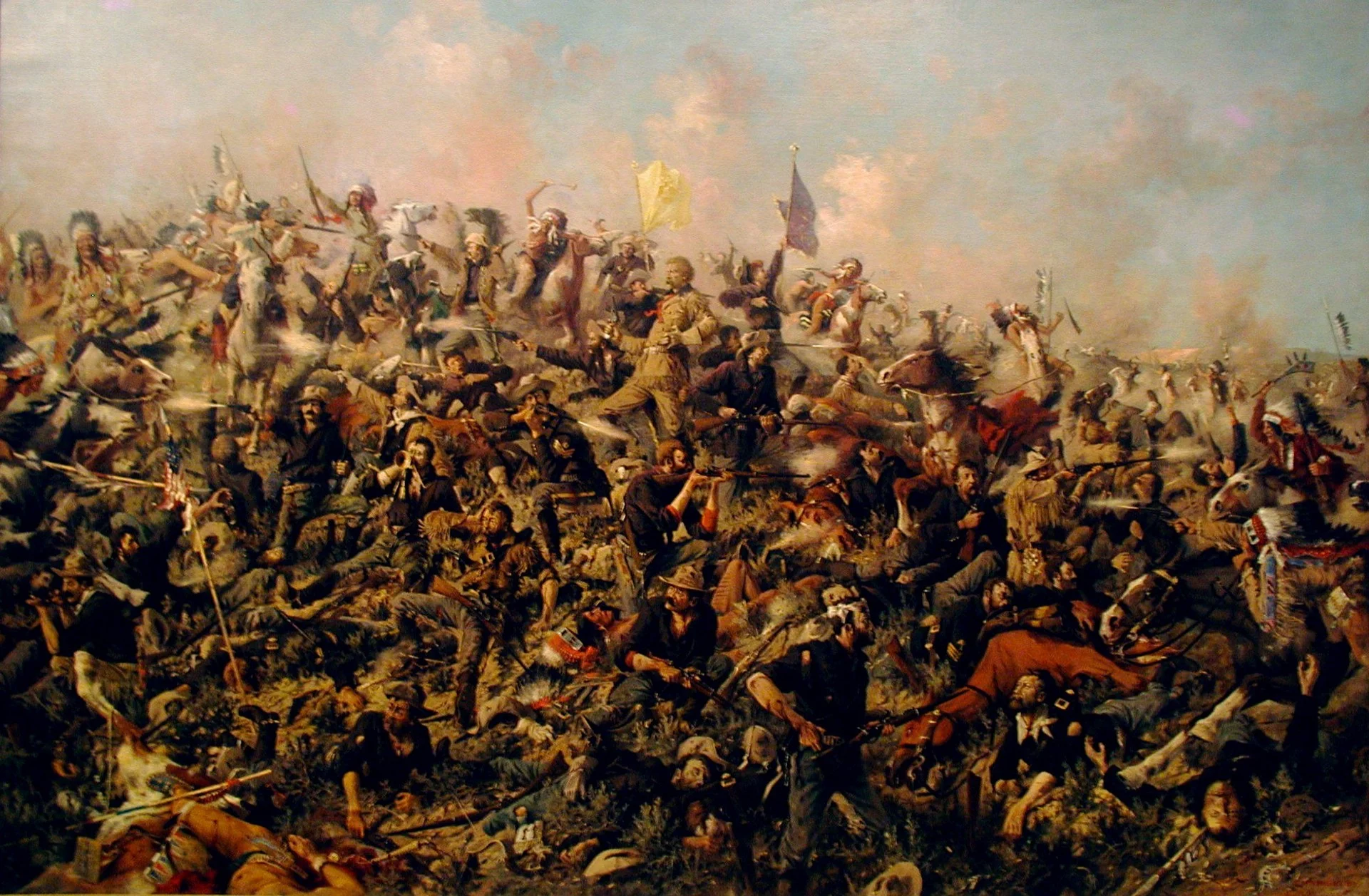
History is not just for historians. We cannot reserve the use and evaluation of history as a sacred cow only for the academics. Using history as a lens to evaluate our current and future conflicts provides a construct for analysis; as Dr. Davies artfully argued, history provides “valuable context.” More importantly, history illustrates a series of actions and consequences that contemporary planners can utilize to mitigate potential risks to an operation. Based on the historical examples of operations in a given area, the variables of potential courses of action may change. These historical vignettes are valuable at the tactical and strategic levels.