Let’s face it—most of us are exposed to resilience only through stale bullets on PowerPoint slides and soulless computer-based training. Holiday has given us a living, breathing guide to resilience. As humans, we learn best through stories, and Ryan Clark Holiday has delivered them spades.
Enduring Power: The Army Needs to Focus on What it Does Best
Once again, the Army is attempting to transform itself. The question the Army can’t seem to answer is, “why?” Yes, the world is becoming more complex and competitive: China’s rise, a resurgent Russia, an unstable Middle East, and the continued threat of the metastasizing cancer of Al Qaeda spanning from North Africa to Central Asia are all challenging America’s global leadership position. However, no single threat has emerged as existential to the U.S. or its vital national interests.
A Modern Airpower Theorist: Seminar on the Evolution of Airpower Theory
The Curious Phenomenon of Russia: History & Russia’s Female Suicide Bombers
Suicide bombings are nothing new — it is a tactic that been in use since the early 1980s — but it has typically been a man’s game. Until recently, that is. There is no place where female suicide bombers have blossomed more than in the Caucasus region of Russia: Chechnya and Dagestan. The practice of suicide bombings did not originate here but seems to be thriving in the Caucasus.
A Different Sort of Civil-Military Divide
The civil-military divide in the 21st century can be described as one between the military and the elites that govern it, and as one between those elites in uniform and those in a regular coat and tie. While increasing the number of elites in uniform will help with the first divide, it does not do much for the second. The military should not abandon its values, and in fact, I believe it should continue to be defined by them. However, if the civil-military divide is to be closed, those in the military need to realize that underneath the uniform of their values lies an occupationally minded American, who is remarkably similar to every other citizen of our great Nation.
Rise of the JO
Where are the “generation of military reformers” that some despair will ever arise from the ashes of Iraq and Afghanistan? Coming into their own. Over the last month, I’ve observed an encouraging sign for our military profession. Several junior officers have used the power of the pen to reach outside of their foxholes, moving well beyond the typical sphere of influence of a newly commissioned lieutenant. Through their words, they have helped bring about the change of existing policies, shared lessons on leadership, and sparked multiple professional conversations.
Strategy by Audit: The Cost of Accountability in Afghanistan
Established by the US Congress in 2008, the Office of the Special Inspector General for Afghanistan Reconstruction (SIGAR) has drawn attention over the past couple of years for its aggressive pursuit of development project mismanagement by US and Afghan organizations. John Sopko, who became the SIGAR in 2012, struck the drum again this past month. Speaking at the Atlantic Council, a Washington-based think tank, Sopko reminded his audience that Afghan corruption could undo all that has been accomplished in Afghanistan since the fall of the Taliban unless the US implemented a comprehensive anti-corruption strategy. The prognosis from his office remains a compelling indictment of what has not been accomplished in that country over the past twelve years.
Self-inflicted Wounds: Geographic Homogeneity in the U.S. Army Officer Corps
The civil-military divide in the Army Officer Corps is largely a self-inflicted wound. The Army should not stand by and allow it to grow and eventually damage the vital trust relationship the American people have in the United States military. It is within the Army’s span of influence to reduce this divide.
An Opportunity to Respond: Remembering What It’s Like to Win
The Myth of Mission Command
To create decisiveness in leaders—and to increase tempo—the Army should decrease leaders’ reliance on thick doctrinal manual, reinforced by top-down demands for every detail, through training that remains out of touch with the latest progression in learning. It cannot rely on checklists or computer-generated orders to put in place the mind and voice of an experienced, imaginative commander. The importance of a calm commander talking to his subordinates cannot be stressed enough. A mutual understanding will come from well-written yet brief doctrinal manuals, enhanced with the use of radios and other digital technology. So-called secure radios with inexperienced officers at both ends resemble talk radio shows. The computer cannot replace essential voice communications, while technology cannot replace the well developed and prepared mind.
Russophobia
While the argument against Russian violations of Ukrainian territorial sovereignty is a valid one, those making this argument may not be doing so based on their expressed concern for that sovereignty, but rather because it offers the most legitimate challenge to Russian action. The inconsistency of the Wests past behavior with this argument implies the real logic behind the Western position may not about sovereignty but simply about opposing Russia.
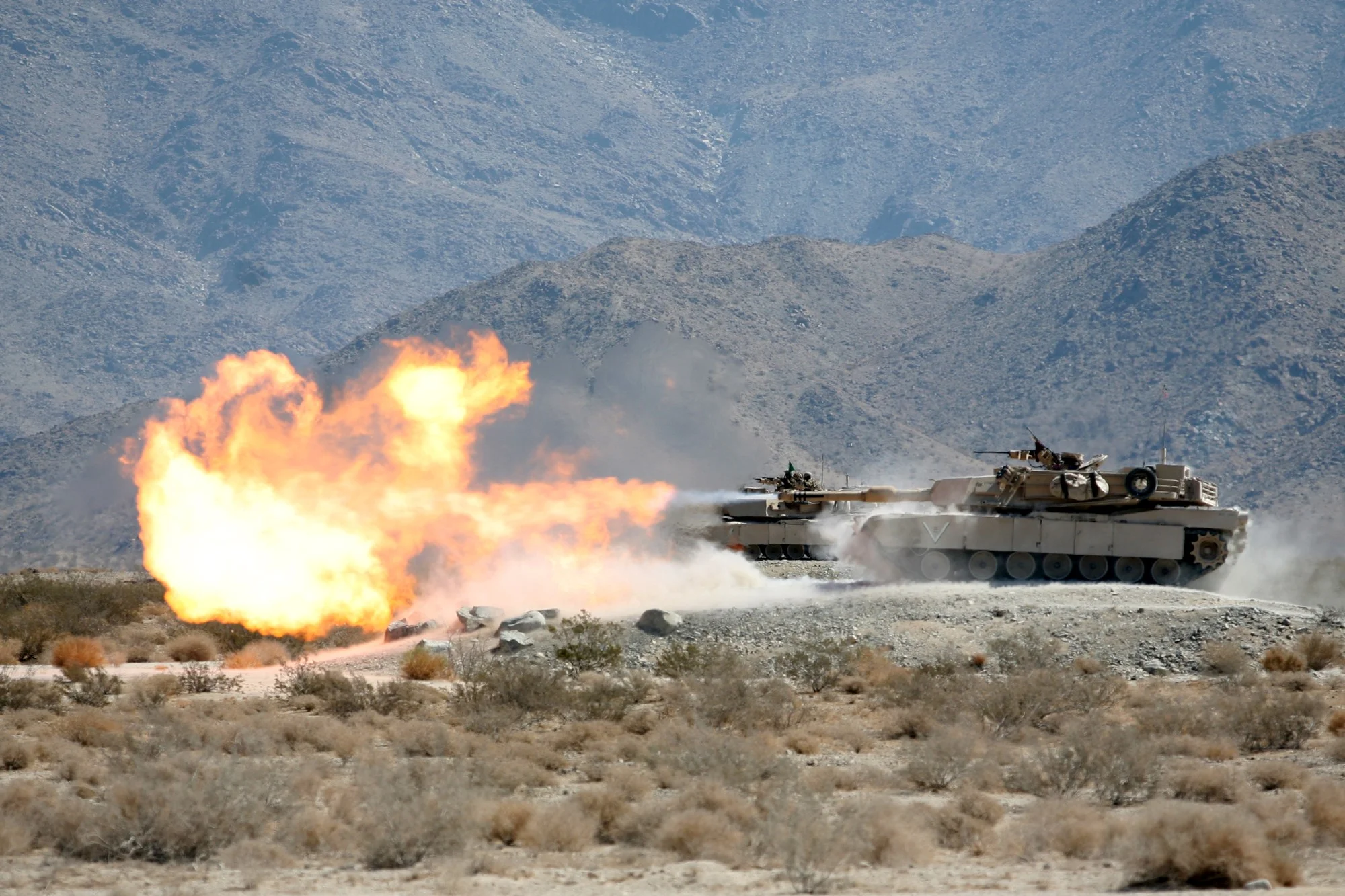
Understanding the Need for a Balanced Joint Force: A Mix Martial Arts (MMA) Analogy
Human conflict ranging from individual-on-individual fighting to nation states waging war has seen evolutionary changes to techniques used in combat. The world of martial arts, like warfare, has seen a rapid evolution in individual fighting techniques. Each has various philosophical underpinnings and was developed to address the unique challenges faced by practitioners. Throughout the ages, the question many asked was which technique, martial art, was the greatest of them all. The same debate has emerged in state-on-state and state-on-nonstate warfare regarding the effectiveness of landpower, seapower, and airpower. The history and development of Mixed Martial Arts (MMA) helps illustrate the utility and shortcoming of each style of fighting, stand up strikers and ground fighters, as an analogy of today’s debate between land, sea, and air, and the necessity of mixing things up.

The Cost of Power Miscalculation
In light of the recent East-West tensions due to Russia’s near-annexation of Crimea, China’s aggressive behavior in the East and South China Seas, continued instability in the Middle East, and the threat of a nuclear Iran, or worse, a failed nuclear Pakistani state highlight the dangers the United States faces in the decades to come. The recently released DoD Budget and QDR both highlight the need to rebalance the force through greater investments in technological solutions at the expense of manpower along with the future applications of the joint force.
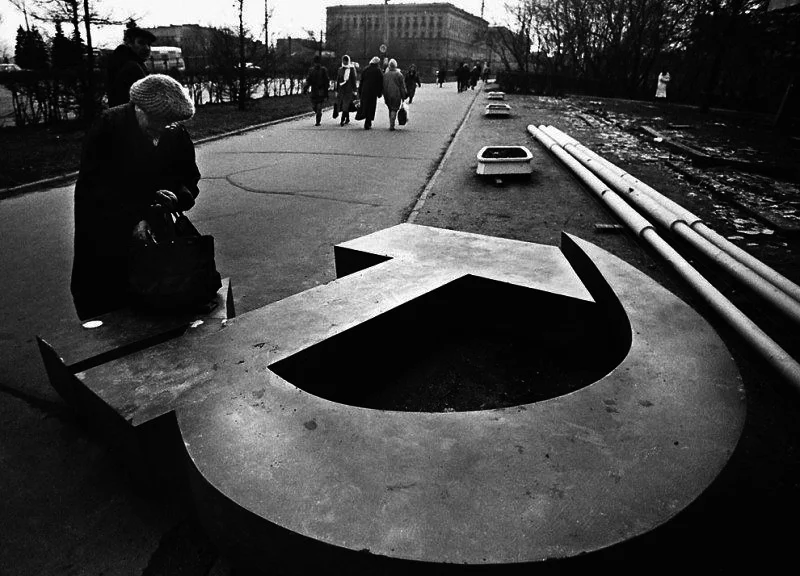
Russia’s European Designs: To Weaken, Not to Join
Current debate is focused on Russia’s actions in Crimea, the political crisis in Ukraine at large, or Western impotence. Russia’s long-term strategy is missing from the conversation. Perhaps Moscow does not have one, but that would be a foolish assumption. So what is motivating Russia to focus its attention on a tiny peninsula where some Russian speakers it could care less about reside?
Counter Terrorism, Continuing Advantage, and a Broader Theory of Victory
When the strategist considers counter terrorism, they must grapple with the larger focus of their aim, which is the act of building a bridge between two unlike elements: policy and military action. At the tactical level, counter terrorism is an action meant to culminate in an event that prevents, preempts, deters, defeats, or punishes a terrorist. However, at the strategic level, counter-terrorism is meant “as a plan for attaining continuing advantage.” In order for our counter terrorism strategies to remain effective, we must reject the strategic heuristic of specific end states, and instead seek continuing advantage towards a better state of peace.
Enabling the Dragon: China’s Foreign Policy between Thucydides and Sun Tzu
On March 8 Chinese foreign minister Wang Yi gave his first major press conference against the background of the ongoing session of the National People’s Congress. More than 500 journalists listened to the FM for 95 minutes, but it was the very last statement that deserves the most attention. Wang outlined the three main foundations for China’s new age foreign policy and behind the traditional aesthetically sophisticated formulas one can see a pure case of Thucydidian realism.
Why the March 16th Referendum May Not Be the Disaster Everyone Thinks
Ultimately to use a cliché, annexation of Crimea or any intervention into the territorial sovereignty of Ukraine will back-fire, because it will rile up support for Kiev not for Moscow and it will allow the Ukrainian’s to dislodge themselves from the yoke of Russian power. Instead of creating the new Soviet Bloc that Putin desires, he will be creating a western style democracy, that will look westward for assistance and further isolate Russia.
Overestimating Putin: Russia’s Strongman May Be Anything But...
Amid the media response to the ongoing crisis in Crimea, a surprising theme has emerged in certain political circles: Putin-envy. The Russian president who has strived to cultivate a macho image has garnered praise for authoritative leadership and strategic acumen, ostensibly in contrast to his chief international rival, President Obama.
Understanding Karzai: Building NATO’s Strategy Bridge in Afghanistan
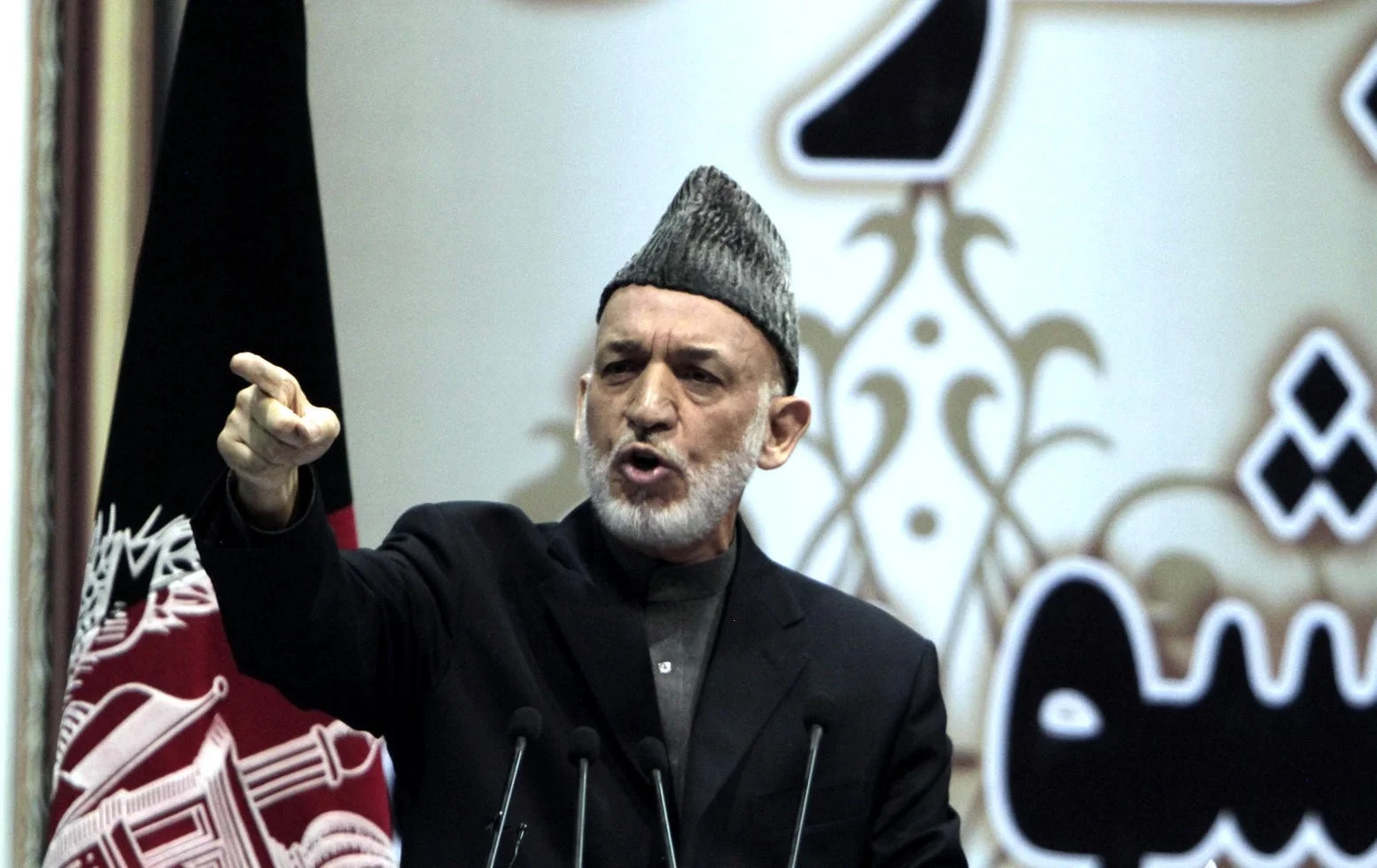
NATO members have sacrificed a great deal in Afghanistan. They must resist the temptation to allow obvious slights and insults from driving policy and strategy to squander that sacrifice. Seeing Karzai’s persona from a balanced perspective is essential to reframing NATO’s policy and strategy in Afghanistan beyond the end of 2014. There is a way for the national interests of both Afghanistan and NATO member states to be jointly met, but it requires a long view, seeing the future in terms of generations and tempering our ambitions for immediate action and results.
War Games: What Will Be Our Next Conflict?
If conventional war was suspect prior to the GWOT, the possible outcome of the Crimea conflict could almost cement the impossibility of such a war occurring again in the future. It may sound sick when I say that this current dynamic is actually a healthy exercise, as it should provide our government with a wake-up call concerning what a possible conventional war could look like.