
Houses of Cards: Network Theory vs. Networks in Theory

Houses of Cards: Network Theory vs. Networks in Theory

In the fall of 2010 in Kunar, as the more active period of fighting subsided, we began to take a second look at the day-to-day intelligence reports we had amassed in an attempt to better understand the enemy. We had a lot of material to sift through, as there were a number of intelligence teams operating in the area. As you might be able to tell from the picture above, we tried to have a little fun with the process as well.

Guest Post: On ‘Building Better Generals’

Guest Post: On ‘Building Better Generals’

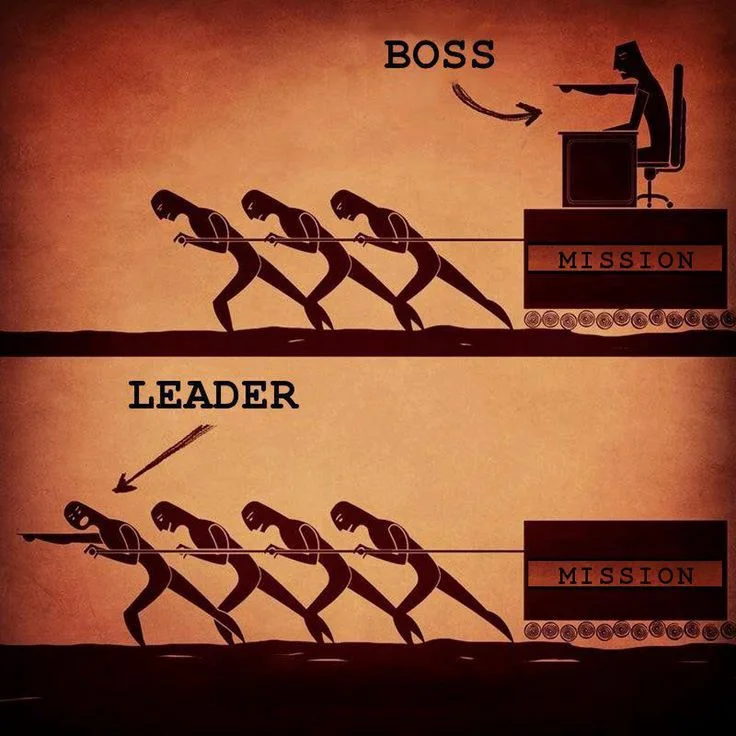
The Center for New American Security (CNAS) recently rolled out a provocative report titled,”Building Better Generals.” There are some valuable ideas to be considered here from LTG Barno, Dr. Bensahel, Ms. Sayler, and Ms. Kidder — especially on encouraging continued education for General and Flag Officers—and I recommend you take a look at it (see also, “’Building Better Generals’ Report Rollout Panel”)

Bridging Divides: Thoughts on a Startup Conference

Bridging Divides: Thoughts on a Startup Conference

A good sign of a successful gathering is not only the interaction that takes place at the event itself, but more importantly the conversation that occurs following. In this respect the Defense Entrepreneurs Forum has been blessed; one of the reasons I’ve been remiss in reporting out on the event is the rapidity and thoroughness that some of the participants have written on salient points from the weekend.

Strong State, Weak State: The New Sovereignty and Responsibility to Protect

Strong State, Weak State: The New Sovereignty and Responsibility to Protect

The enabling and assistance of states to solve their own problems—not the usurpation of sovereignty—is at the root of R2P and Sovereignty as Responsibility. Time and again representatives of R2P and the United Nations have expressed their explicit position that the UN wishes to avoid military interventions, but also wishes to prevent atrocities from occurring. This balance is prudent and necessary to ensure that states are fully functioning members of the international community and that any state that requires assistance in carrying out its duties of protection receives it in a timely manner.